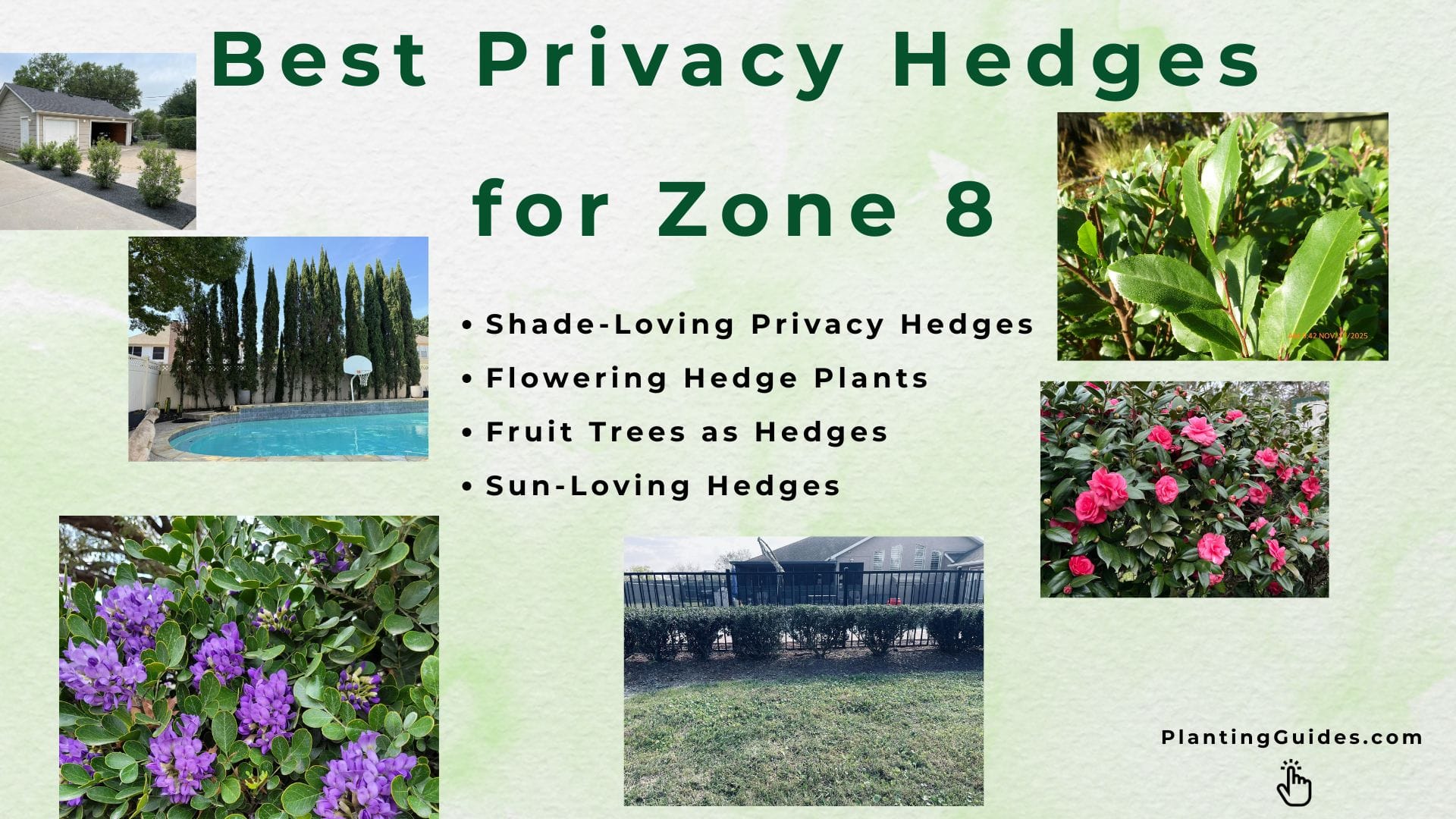
If we prune properly, we can shape almost every bush-type plant/shrub to act as a hedge plant. This is what people usually think when they are planning to build hedges.
But this is not the correct way to decide if a plant is suitable for a hedge or not.
There must be these two mandatory qualities in a plant to be a privacy hedge plant:
- Should be able to tolerate pruning.
- Must be perennial (Evergreen is a plus point).
In this article, I have shared a list of the best hedge plants that you can grow in Zone 8.
Note: Some hedge plants perform well in full sun, and some do the same in shade or partial shade. This is why I have created separate charts for those.
I am covering these here:
- Sun-Loving Hedge Plants
- Shade-Loving Hedge Plants
- Flowering Hedge Plants
- Fruit trees as a hedge
Some of these plants can be found in multiple lists if they fit into those.
If you like this article and appreciate what I have done, please subscribe to this site after reading this article.
Sun-Loving Hedge Plants for Zone 8
When I say sun-loving, this means you can plant these plants in full sun. They like 6-8 hours of direct sunlight (even more if possible).
If they don't receive that much sunlight, they are not going to die, but you won't see their peak beauty.
| Plant Name | Growth Rate | Maximum Height | Planting Spacing | Drought Tolerance | Pruning Frequency (per year) | Planting Time (Zone 8) |
|---|---|---|---|---|---|---|
| Wax Myrtle | Fast | 15–20 ft | 2–4 ft (hedge) / 5–8 ft (natural) | High | 2–3 times | Spring or Fall |
| Cherry Laurel | Moderate to Fast | 20–30 ft | 6–10 ft apart | Moderate | 1–2 times | Fall or Early Spring |
| Photinia (Red Tip) | Fast | 10–15 ft | 5–8 ft apart | Moderate | 2–3 times | Spring or Fall |
| Boxwood | Slow | 5–15 ft | 2–4 ft apart | Moderate | 1–2 times | Fall preferred, Spring ok |
| Ligustrum (Privet) | Fast | 10–20 ft | 4–6 ft apart | High | 2–4 times | Spring or Fall |
| Oleander | Fast | 10–20 ft | 6–10 ft apart | Very High | 1–2 times | Spring (best) |
| Italian Cypress | Moderate | 30–40 ft | 3–5 ft apart | High | 0–1 time (minimal) | Spring or Fall |
| Elaeagnus | Fast | 10–15 ft | 5–8 ft apart | Very High | 2–3 times | Fall or Early Spring |
| Arizona Cypress | Moderate to Fast | 20–40 ft | 6–10 ft apart | Very High | 0–1 time (light shaping) | Spring |
| Abelia | Moderate | 6–10 ft | 3–5 ft apart | Moderate | 1–2 times | Spring or Fall |
You can not grow these taller than their max height, but with proper pruning, you can maintain the desired height within the max height.
You don't have to follow the exact planting spacing that I am mentioning in the chart. If you want, you can plant closer to make your privacy hedge denser.
Note: I personally suggest not choosing oleander if you are from Zone 8a. It will be perennial in Zone 8b, but in Zone 8a, extreme cold can kill this plant.
Wax Myrtle as a hedge plant
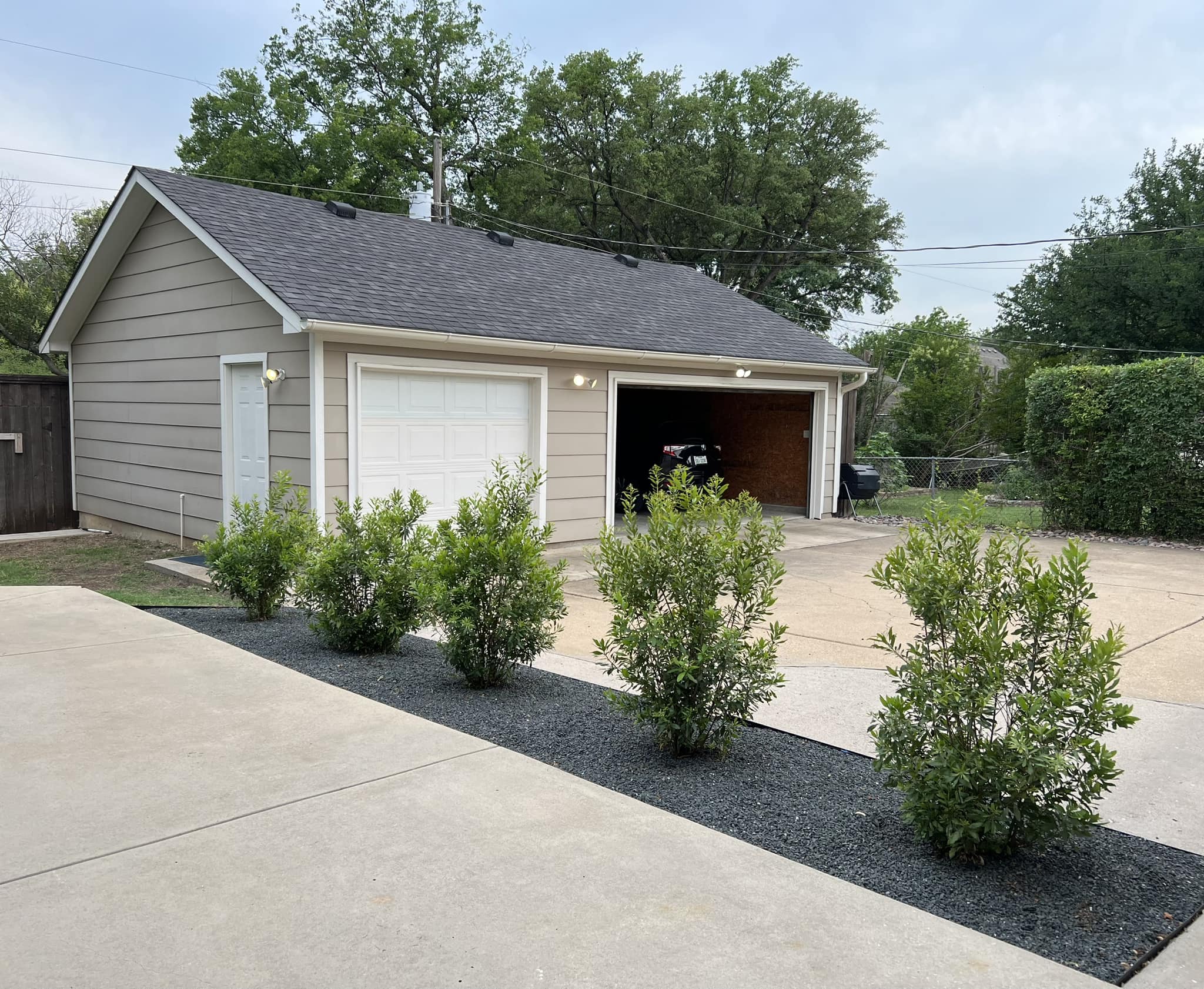
I like this the most due to its fragrant leaves & flowers.
Wanna shape a wax myrtle? It's the easiest to do so.
This is perennial in Zone 8. Usually, they don't die, but if the winter is too harsh, in Zone 8a, they can die back. I am just saying there is a possibility of dying back. But they will regrow once the temperature rises.
Cherry Laurel
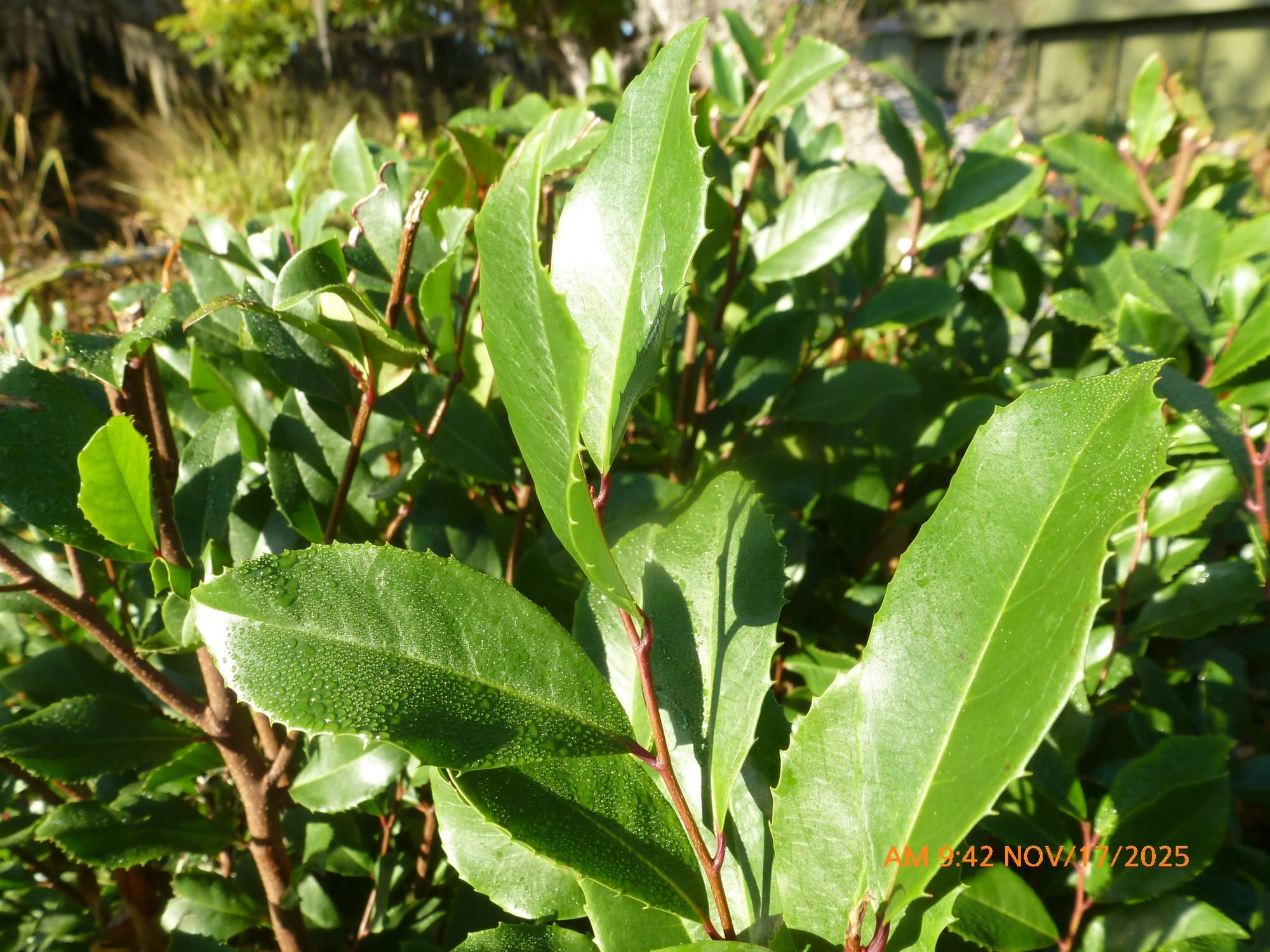
Cherry Laurel can survive in the harsh winter of Zone 8. You can consider this as an excellent privacy hedge for Zone 8.
I consider this a fast-growing privacy screen.
Do you know that this plant can survive in shade, too? (Being a sun-loving)
Cherry Laurel won't mind getting a hard pruning as well. This makes it easier to give it shapes.
If you have pets or children, avoid cherry laurel as it's toxic if ingested. (keep away from kids and pets)
Italian Cypress as a privacy screen in Zone 8
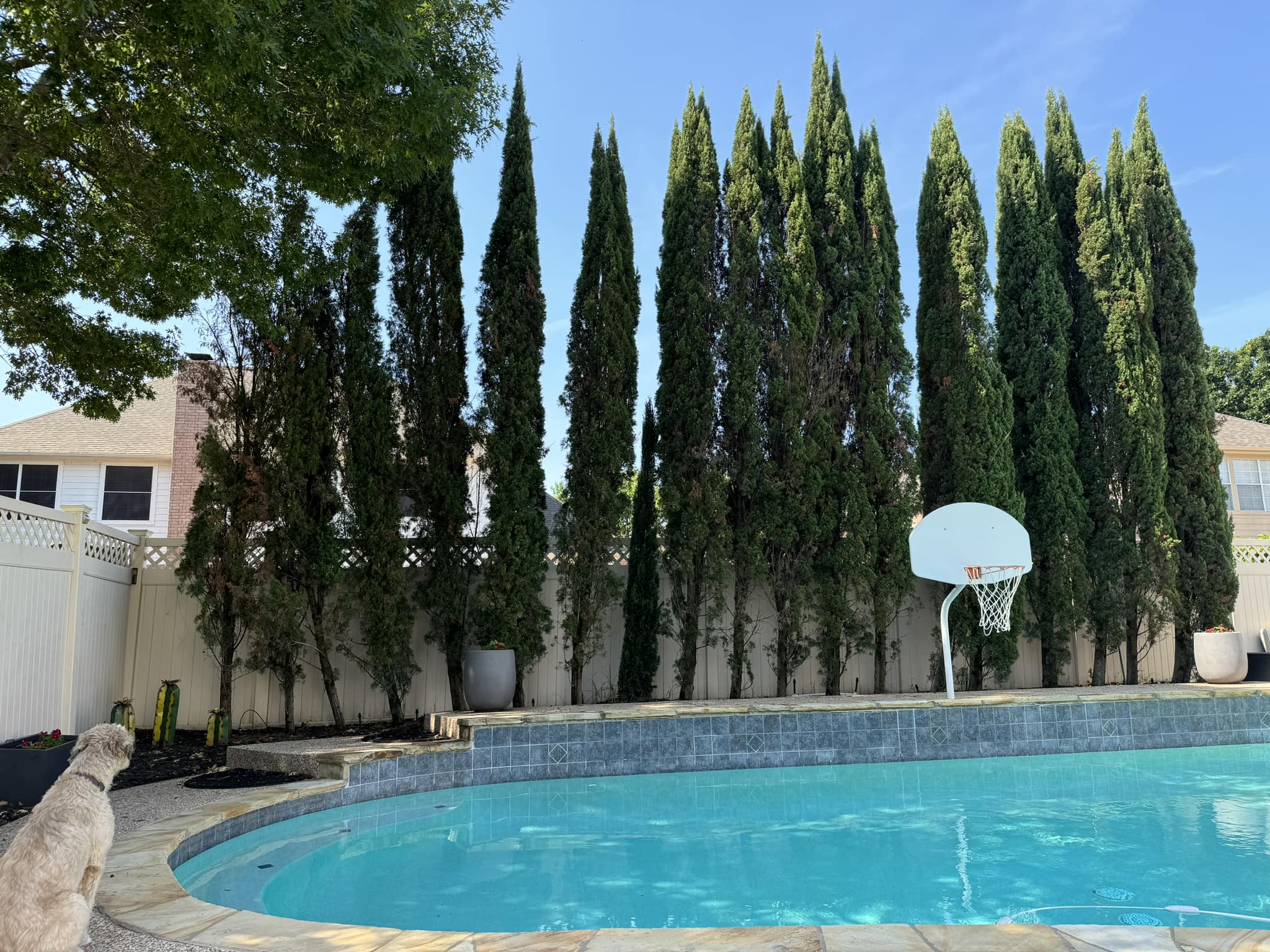
It is evergreen, and you can use it as a privacy screen (especially when you require a tall screen).
It can handle mild to moderate winters well in Zone 8. It might not look awesome if the winter is too harsh in Zone 8a. (Chances are less, but yes, there is a chance.) But they won't die.
If you are looking for a solid privacy hedge, do not consider Italian Cypress. (Obviously, you can see in the picture).
Shade-loving hedge plants for Zone 8
A place that is not getting enough sunlight or getting partial sunlight can be good for some hedge plants. In the list below, I have mentioned those plants that can perform well in shade.
| Plant Name | Growth Rate | Maximum Height | Planting Spacing | Drought Tolerance | Pruning Frequency (per year) | Planting Time (Zone 8) |
|---|---|---|---|---|---|---|
| American Holly | Slow to Moderate | 15–30 ft | 6–10 ft apart | Moderate | 1 time | Fall or Early Spring |
| Yaupon Holly | Moderate | 10–20 ft | 4–6 ft apart | High | 1–2 times | Spring or Fall |
| Inkberry Holly | Slow to Moderate | 5–10 ft | 3–5 ft apart | Moderate | 1–2 times | Spring or Fall |
| Japanese Aucuba | Slow | 6–10 ft | 4–6 ft apart | Moderate | 1 time | Spring |
| Camellia | Slow to Moderate | 8–15 ft | 5–8 ft apart | Moderate | 1 time (after bloom) | Fall or Spring |
| Mountain Laurel | Slow | 7–15 ft | 5–8 ft apart | Low to Moderate | 1 time | Spring or Fall |
| Rhododendron | Moderate | 6–12 ft | 4–6 ft apart | Low to Moderate | 1 time (after bloom) | Spring or Fall |
| Azalea (Evergreen) | Moderate | 4–8 ft | 3–5 ft apart | Low to Moderate | 1–2 times (after bloom) | Spring or Fall |
| Skip Laurel | Moderate to Fast | 10–18 ft | 5–8 ft apart | Moderate | 1–2 times | Fall or Spring |
| Fatsia japonica | Moderate | 6–10 ft | 4–6 ft apart | Moderate | 1 time | Spring |
Not all the plants mentioned above can tolerate full shade. Some of those are good for partial shade.
Japanese Aucuba, Fatsia japonica, Inkberry Holly (tolerates full shade well), Yaupon Holly can be grown in full shade. - All these plants are good for north-facing walls, under trees, or tight shady spaces.
American Holly as Privacy Hedge - Zone 8
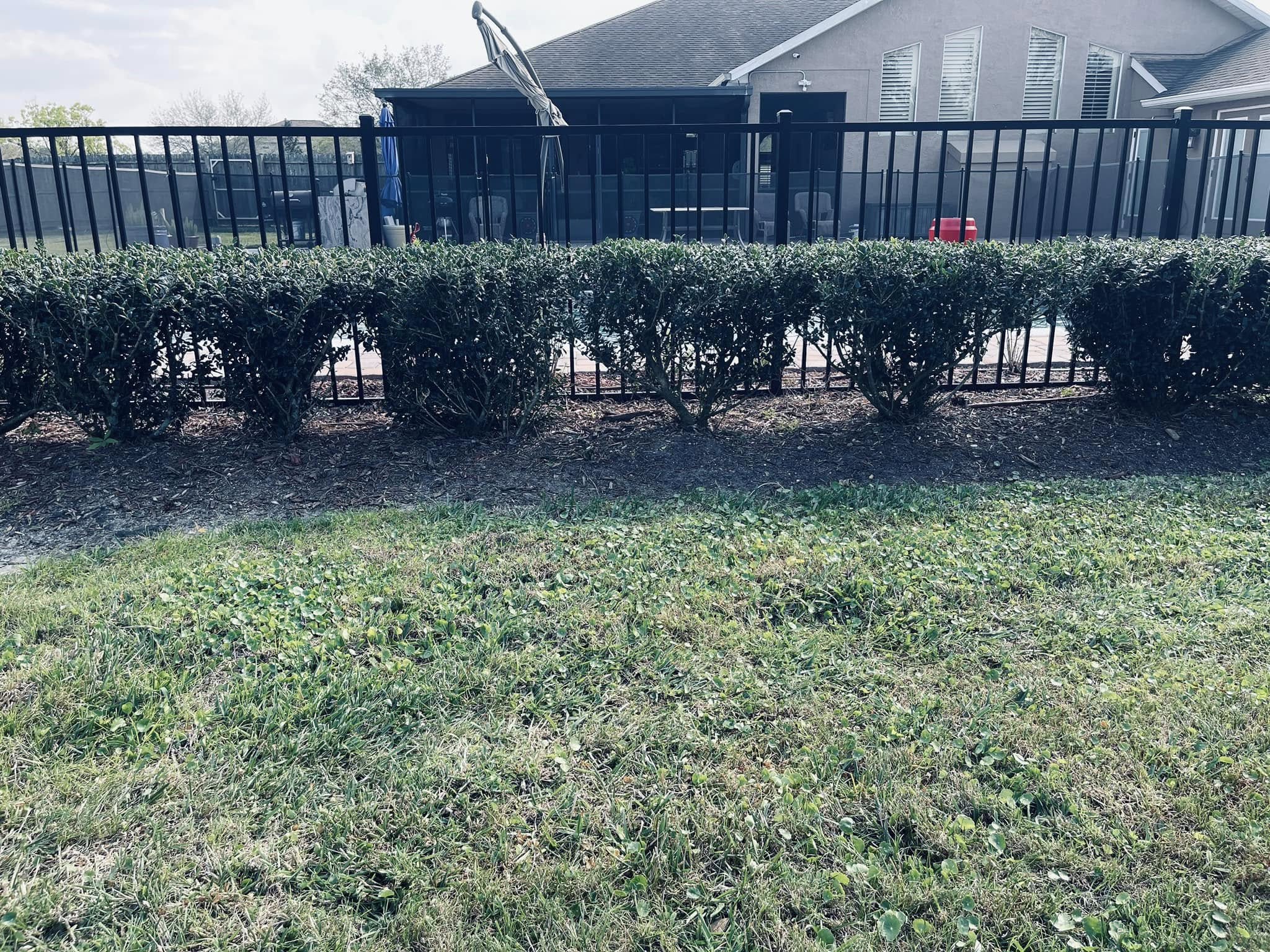
If you are worrying about winter while choosing a plant for a privacy hedge in Zone 8, go for American Holly. No second thought...
It can handle the extreme cold of Zone 8.
People from Zone 7 can also consider this plant.
I use American holly hedges to deter deer from my garden. It can also deter other animals as it has thick, spiny leaves.
American Holly produces beautiful red berries. (On female plants only)
If you want instant privacy, do not go for it. It grows slowly.
Camelia hedge in Zone 8
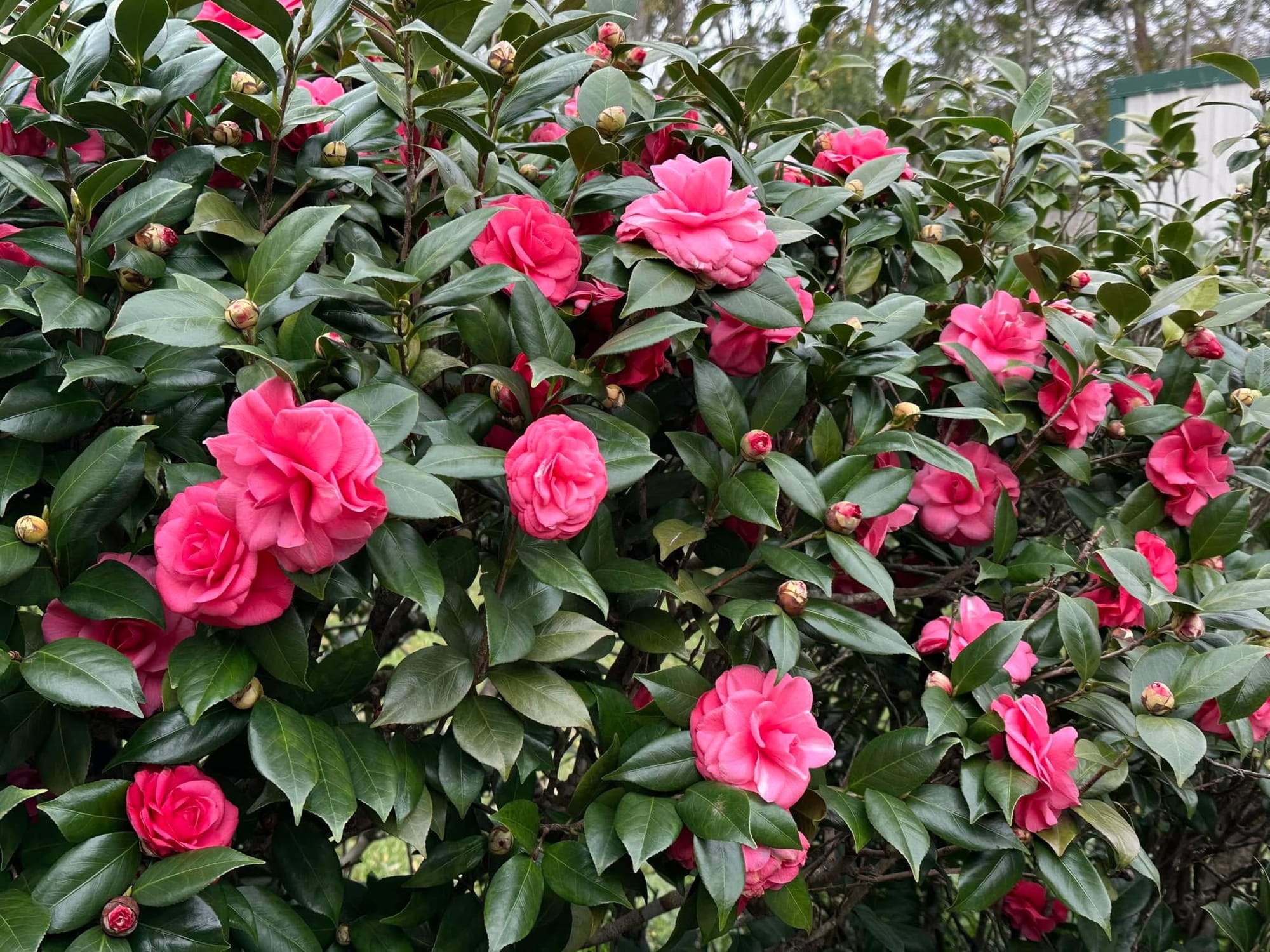
I love camelia hedge here in Zone 8, as they have glossy leaves in addition to beautiful blooms.
There are not many flowering plants that can be grown in partial shade. Thus, Camelia is special.
They get their peak beauty when it's a mild winter.
With proper pruning, they can create a dense privacy hedge.
Note: Camellia sasanqua - This one is best for dense hedges (it's fast growing), and Camellia japonica - This one grows slowly and is better for looser/privacy screens.
They need acidic soil just as a blueberry bush does. So skip camelia if your soil is alkaline and hard to amend.
Flowering Hedges for Zone 8
| Plant Name | Growth Rate | Maximum Height | Planting Spacing | Blooming Time | Flower Color | Pruning Frequency (per year) | Planting Time (Zone 8) |
|---|---|---|---|---|---|---|---|
| Camellia | Slow to Moderate | 8–15 ft | 5–8 ft apart | Fall to Early Spring | Pink, Red, White | 1 time (after bloom) | Fall or Spring |
| Azalea (Evergreen) | Moderate | 4–8 ft | 3–5 ft apart | Spring | Pink, Red, Purple, White | 1–2 times (after bloom) | Spring or Fall |
| Oleander | Fast | 10–20 ft | 6–10 ft apart | Late Spring to Fall | Pink, White, Red | 1–2 times | Spring (best) |
| Rose of Sharon (Hibiscus syriacus) | Moderate | 8–12 ft | 4–6 ft apart | Summer to Fall | Purple, Pink, White, Blue | 1–2 times | Spring |
| Gardenia | Moderate | 4–8 ft | 3–5 ft apart | Late Spring to Summer | White (fragrant) | 1–2 times | Spring |
| Abelia | Moderate | 6–10 ft | 3–5 ft apart | Late Spring to Fall | White, Pink | 1–2 times | Spring or Fall |
| Hydrangea (Panicle) | Moderate | 8–15 ft | 5–8 ft apart | Summer to Fall | White, Pink | 1 time (late winter) | Spring or Fall |
| Forsythia | Fast | 8–10 ft | 4–6 ft apart | Early Spring | Yellow | 1–2 times (after bloom) | Spring or Fall |
| Weigela | Moderate | 6–10 ft | 4–6 ft apart | Spring to Early Summer | Pink, Red, White | 1–2 times | Spring or Fall |
| Loropetalum | Moderate to Fast | 6–12 ft | 4–6 ft apart | Spring (repeat blooms possible) | Pink, White | 1–2 times | Spring or Fall |
| Texas Mountain Laurel | Slow | 10–15 ft | 6–10 ft apart | Spring | Purple (grape-scented) | 0–1 time (minimal) | Spring |
Azalea
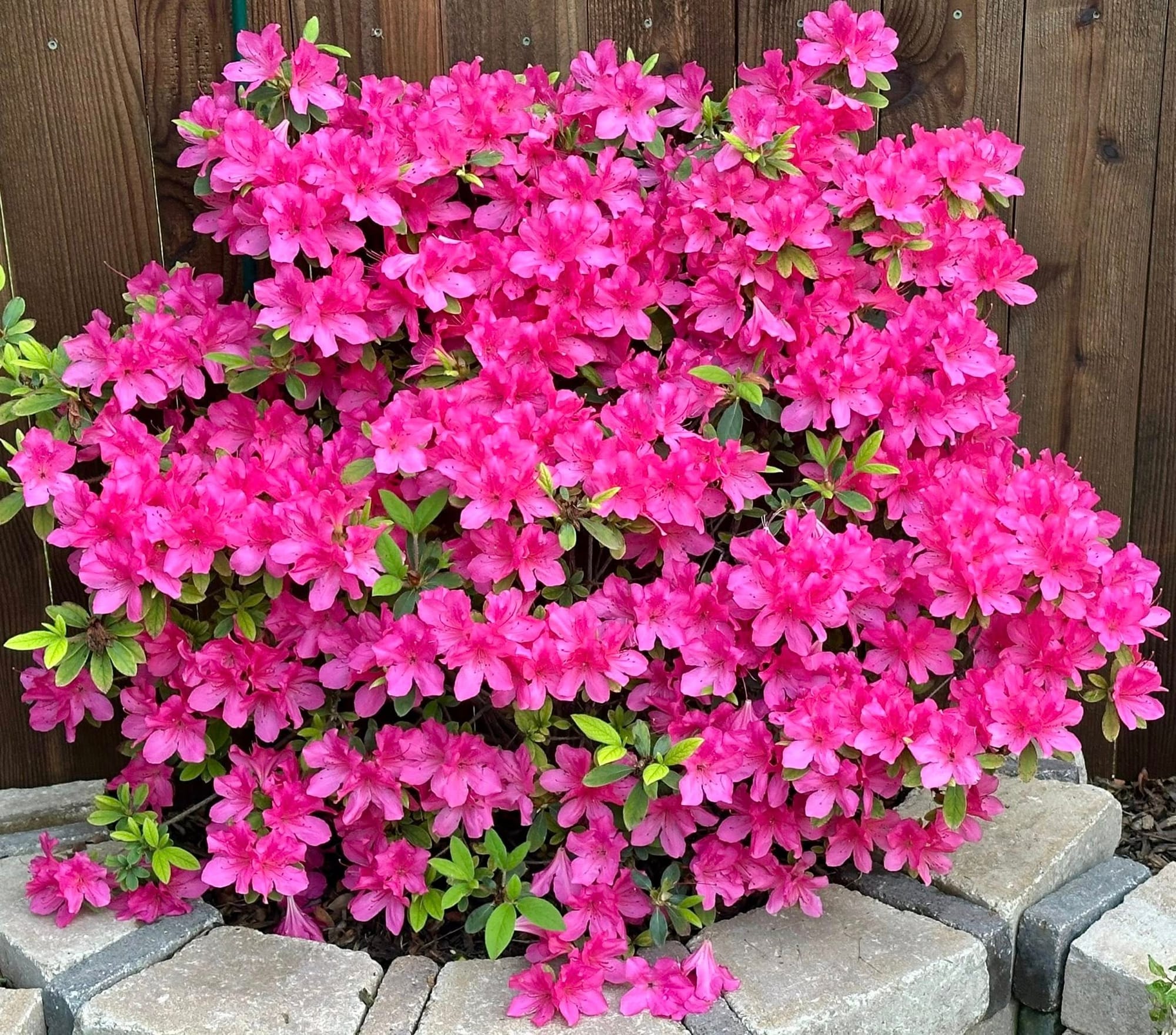
If you are thinking of planting azalea as a privacy hedge in Zone 8, it's honestly a great idea, but only if you do it the right way.
Don't just plant it anywhere. Azalea doesn't like strong sunlight all day. Morning sun with a bit of afternoon shade is perfect. That's how it grows thick and healthy, too much harsh sun will make it thin and weak.
You know what, azalea is not a fast-growing plant. It takes time. But once it grows properly, you'll get a beautiful, colorful privacy hedge, much better than a plain green one.
Gardenia
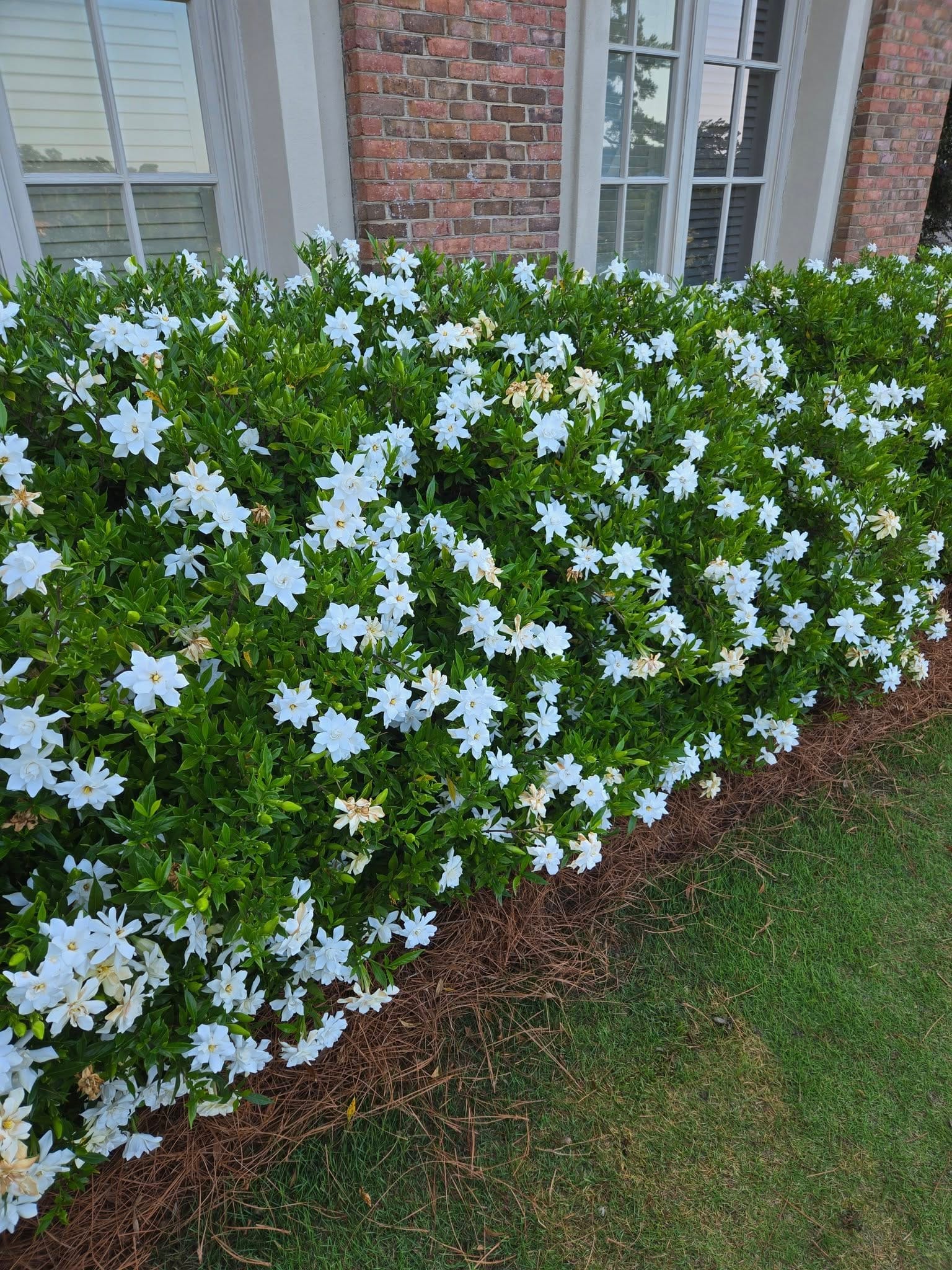
Gardenia has many different varieties, and this one smells the nicest.
Gardenia needs at least 4–6 hours of bright light daily. Morning sunlight is perfect. If it doesn’t get enough light, it will grow leaves but won't bloom.
Texas Mountain Laurel
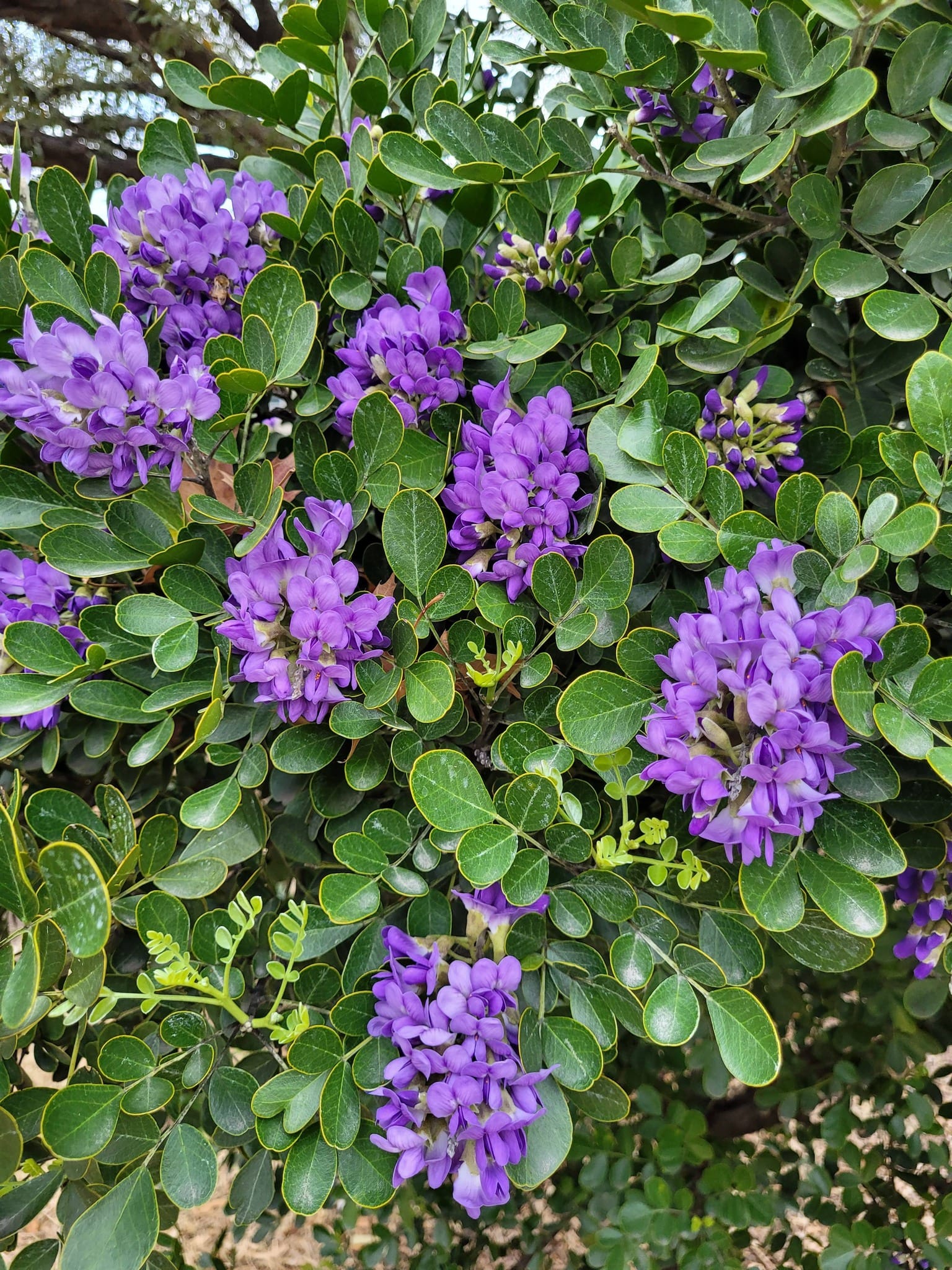
This is again a flowering hedge for Zone 8 that attracted me when I saw it for the first time in a botanical park.
Consider Texas Mountain Laurel as a privacy screen if you have patience. It will take years to create a privacy hedge for you. But once it is established, you will feel it is worth waiting for this long.
They can tolerate the winter cold of Zone 8.
Fruit trees as privacy hedges in Zone 8
| Fruit Tree | Growth Rate | Maximum Height | Planting Spacing | Fruiting Time | Yield Level | Pruning Frequency (per year) | Planting Time (Zone 8) |
|---|---|---|---|---|---|---|---|
| Apple | Moderate | 15–25 ft | 15–20 ft apart | Late Summer to Fall | High | 1–2 times | Late Winter to Early Spring |
| Peach | Fast | 10–15 ft | 12–15 ft apart | Summer | High | 1–2 times | Late Winter to Early Spring |
| Pear | Moderate | 15–25 ft | 15–20 ft apart | Late Summer to Fall | High | 1 time | Late Winter to Early Spring |
| Plum | Moderate | 10–20 ft | 12–18 ft apart | Summer | Moderate to High | 1 time | Late Winter to Early Spring |
| Cherry | Moderate | 15–30 ft | 15–25 ft apart | Late Spring to Early Summer | Moderate | 1 time | Late Winter to Early Spring |
| Fig | Fast | 10–20 ft | 10–15 ft apart | Summer to Fall | High | 1–2 times | Spring |
| Pomegranate | Moderate | 10–15 ft | 8–12 ft apart | Fall | Moderate to High | 1 time | Spring |
| Persimmon | Slow to Moderate | 15–25 ft | 15–20 ft apart | Fall to Early Winter | High | 1 time | Late Winter to Early Spring |
| Mulberry | Fast | 30–50 ft | 20–30 ft apart | Late Spring to Summer | Very High | 1–2 times | Spring |
| Apricot | Moderate | 15–20 ft | 15–20 ft apart | Early to Mid Summer | Moderate | 1 time | Late Winter to Early Spring |
Peach
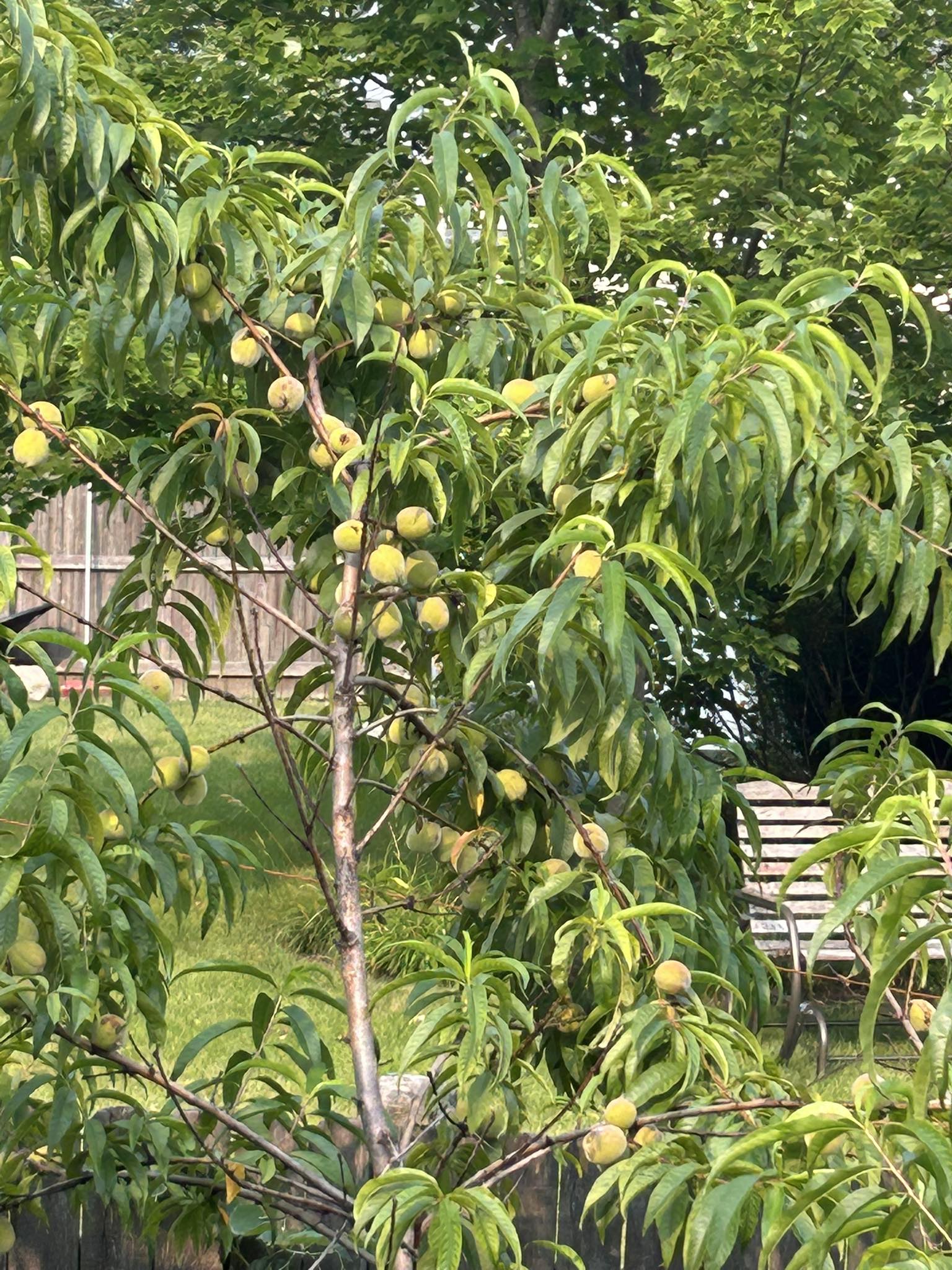
You can use peach trees as a privacy hedge in Zone 8, but you need to manage them differently than normal hedge plants.
Peach trees love sunlight; they actually need it. Don't plant them in shade and expect a thick hedge; it won't happen.
They need at least 6–8 hours of direct sun, or they will grow weak and won't fill out properly.
Spacing is very important. If you want normal tree growth, keep about 8–12 feet between each plant. If you want a hedge-like look, you can plant them closer (about 6–8 feet), but then you need to prune regularly to control size and shape.
Fig
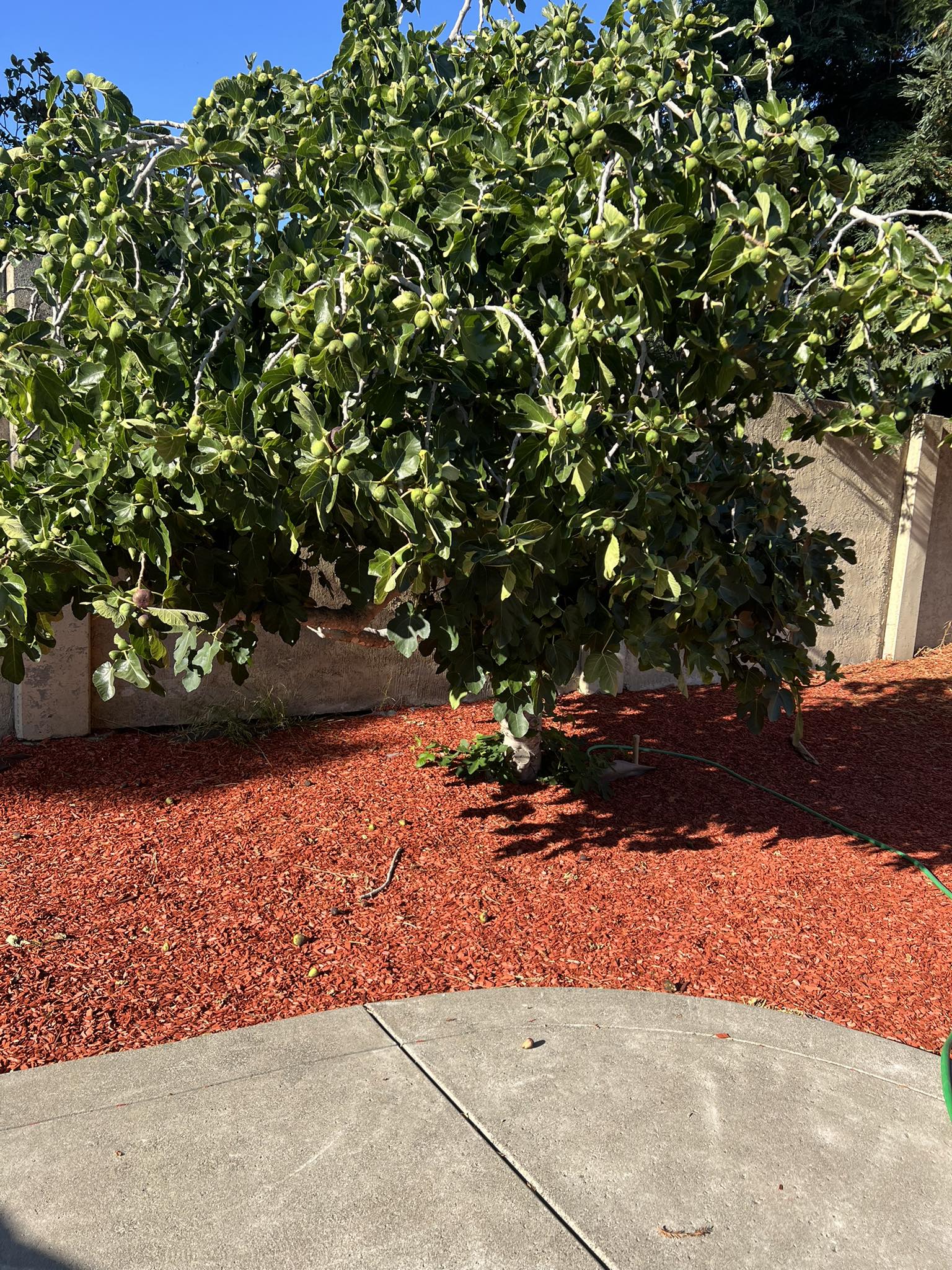
You can plant fig trees as a privacy hedge, but remember one thing, they lose their leaves in winter. So you won't get full privacy all year, only during the growing season.
Fig trees grow fast, so you should prune them every year to control their height and make them bushier. If you don't trim them, they will grow into big trees instead of staying like a neat hedge.
The roots of fig trees spread strongly, so don't plant them too close to walls, buildings, or pipes, as it can cause problems later.
Mulberry
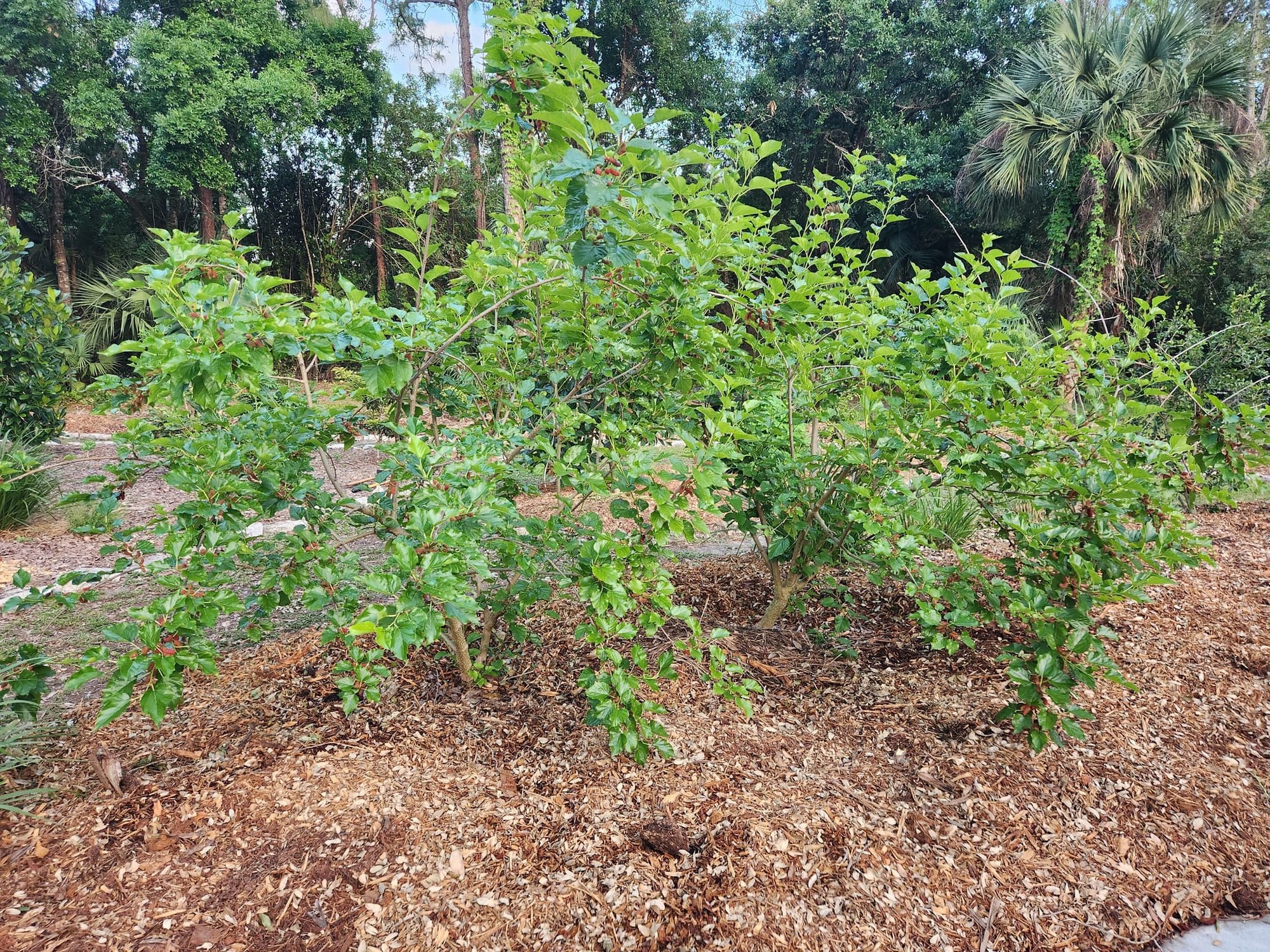
Mulberry needs full sunlight, so plant it where it gets at least 6–8 hours of direct sun every day. The more sun it gets, the faster and thicker it grows. If you plant it in shade, it won't grow well and can look uneven.
Also, plant them about 6–8 feet apart if you want a proper hedge. If you leave too much space, they'll grow like separate trees instead of one full line.
If you want a clean hedge without any mess, choose a fruitless mulberry like Morus alba 'Fruitless' or Morus alba 'Chaparral'. You still get a thick, dense hedge for privacy, without fruits that fall and make the ground dirty.