Black & White Raised Spots on Papaya – How I Fixed It
By Parvez Akhtar Pasha | Mar 18, 2026
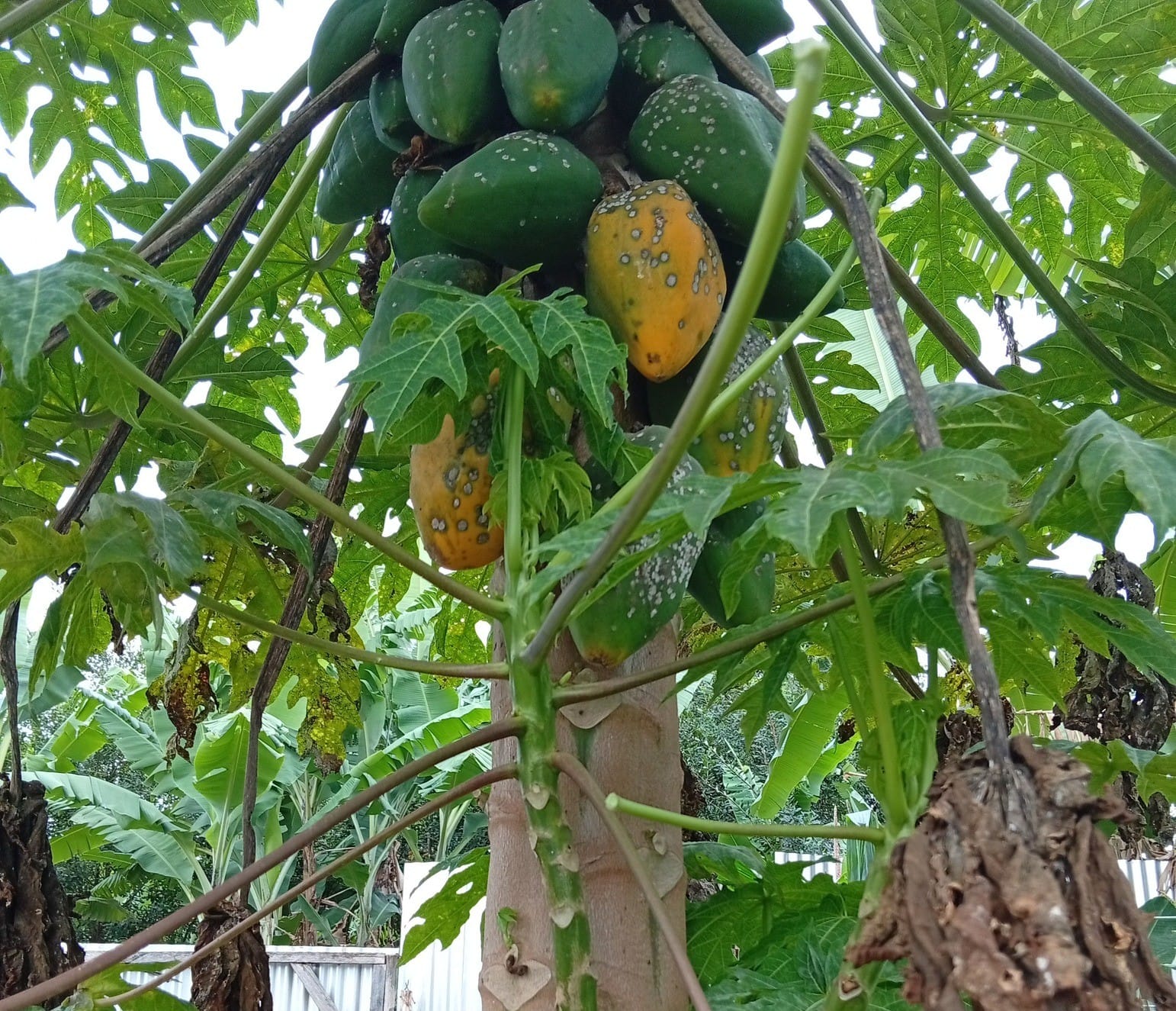
I still remember the day I looked at my papaya tree and thought,
"Why do my fruits look like they caught chickenpox?"
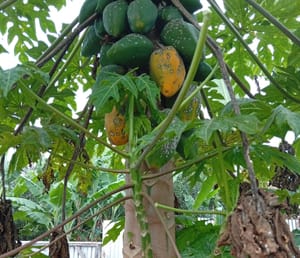
That day, I noticed something strange on my papaya fruits. Some fruits had small white and black spots on the skin.
At first, I didn't pay much attention. But after a few days, some fruits started turning yellow too early, the skin became rough and patchy, and a few even fell off.
And if you're seeing the same thing, don't worry. I faced this problem too, and here I'll share exactly what I did to fix it.
Cause - Why This Happened
After dealing with this more than once, I learned this is a fungal disease.
Most commonly:
Anthracnose or Papaya Scab
Those small white/black raised spots you see are the fungus growing on the fruit skin.
This fungus actually loves wet and humid conditions, and there was too much rain and humidity in my garden, which created the perfect environment for it to grow and spread quickly.
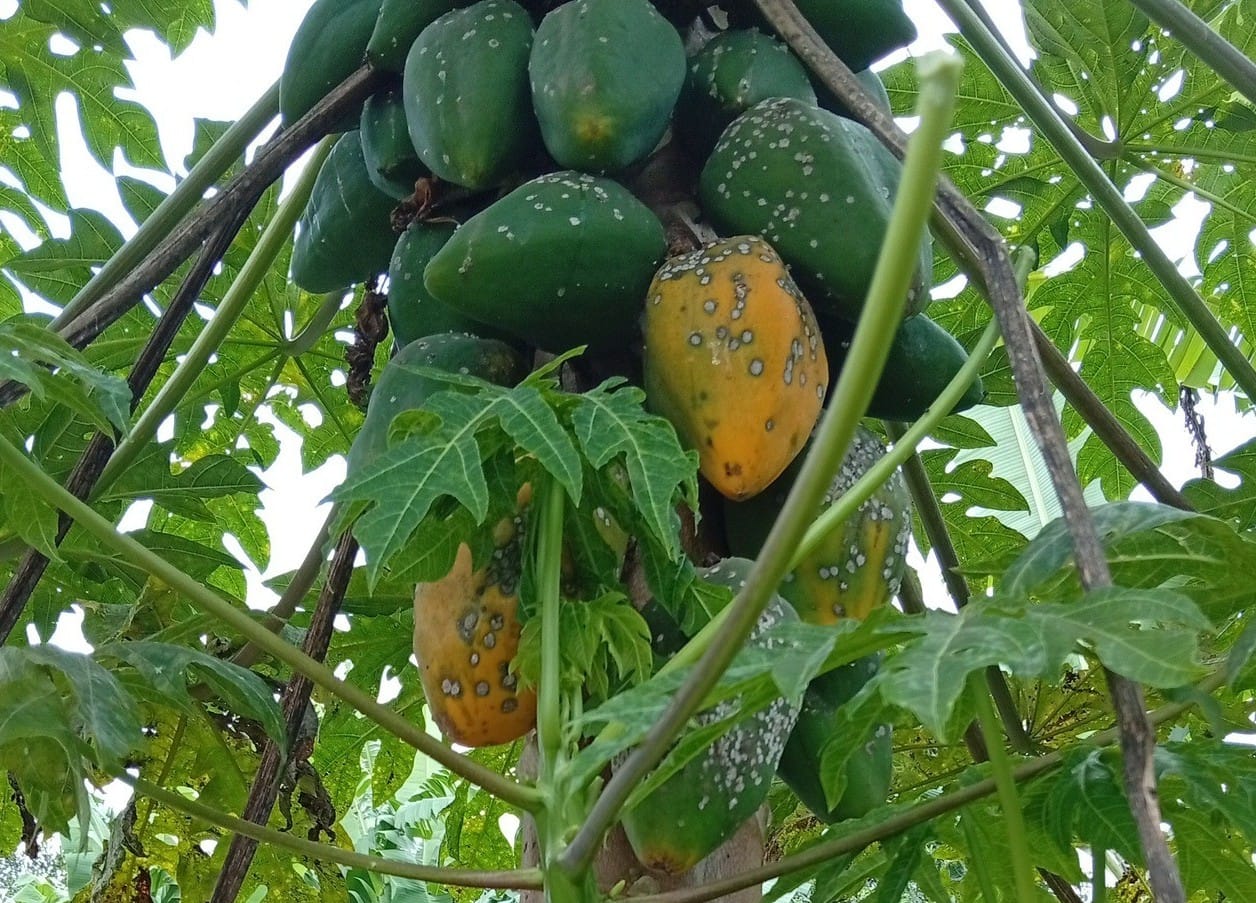
If your papaya fruits get infected, they won't recover, and the spots will stay. So, it's best to remove them early so the disease doesn't spread. Just focus on saving the new fruits — they can still grow healthy with proper care.
Here's the simple thing I did to protect my new and healthy fruits:
Remove Infected Fruits
Honestly, this part felt a bit painful.
But I removed all the badly infected fruits.
Because if you leave them, the infection will spread to the healthy fruits too.
I made sure to throw them far away, not in the compost.
Neem Oil Spray
This is the solution I trust the most, and honestly, it worked really well for me.
I mixed:
- 1 liter water
- 3–5 ml neem oil
- A few drops of liquid soap (this helps the oil mix properly in water)
I sprayed the whole plant properly, fruits, leaves, and stems. I didn't just spray lightly, I made sure every part was covered, especially the infected fruits.
Use Fungicide - If Needed
If you see the problem spreading fast, don't take any risk.
You should use a copper fungicide because it works well for this type of fungus.
Spray it every 7–10 days, mainly on the fruits where you see the spots, and also spray a little on the leaves and stems so the disease doesn't spread more.
I also removed some extra leaves, cleared crowded branches, and created space so air could flow freely through the plant. This helped keep the fruits dry and reduced the fungus a lot.