How to Protect Plants From Cold - A Complete Guide
By Parvez Akhtar Pasha | Feb 14, 2026
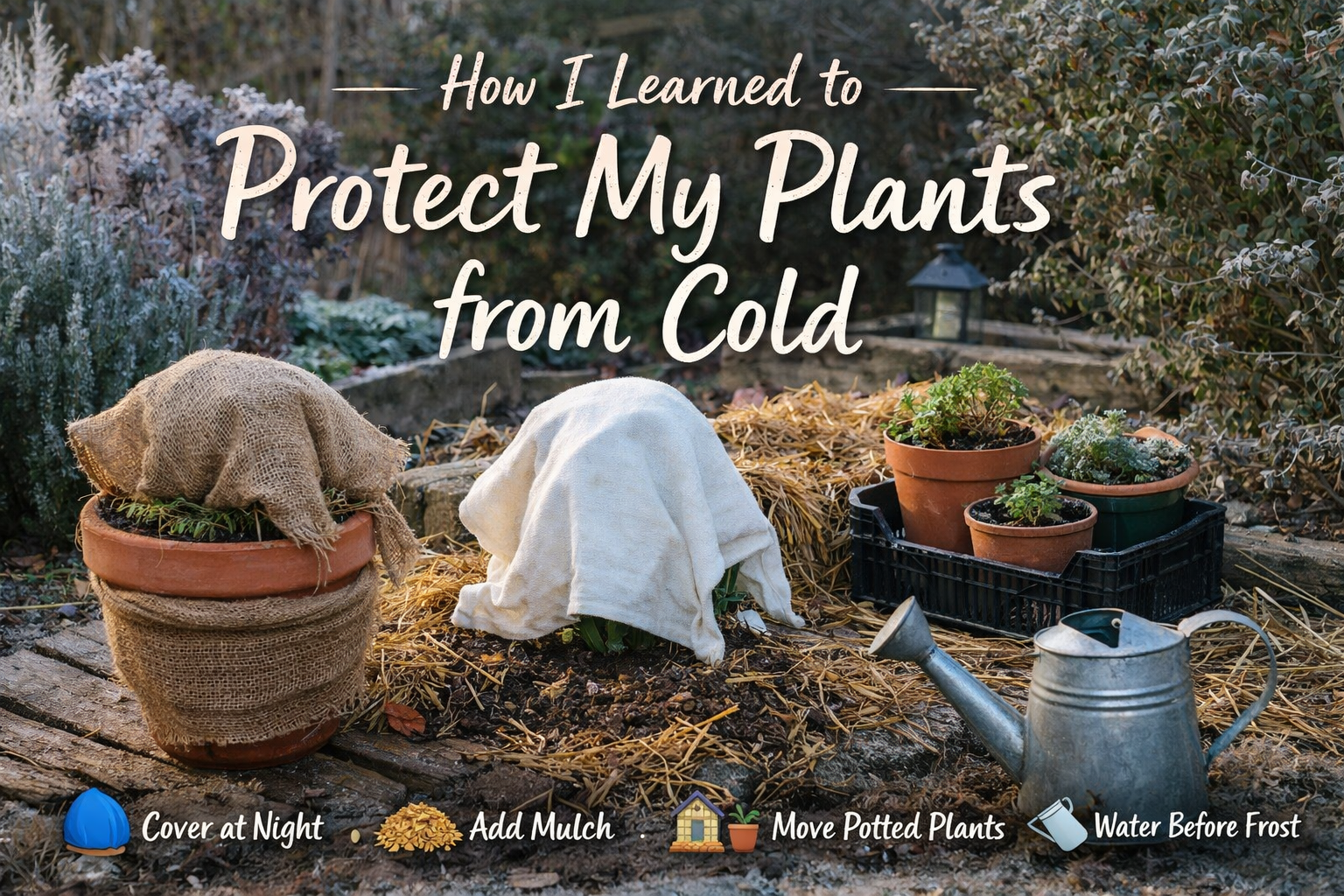
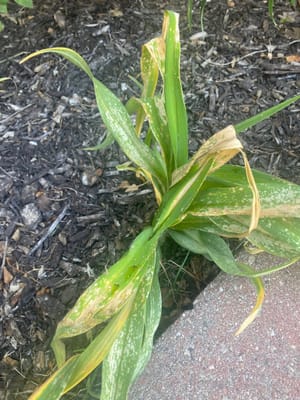
I was scrolling Facebook one evening, and I suddenly saw a photo of a plant badly damaged by the cold. Leaves were hanging down, the edges looked burned, and the plant looked almost dead. The moment I saw that photo, I remembered that I had faced the same problem a few years ago.
I still remember that winter morning, that was kind of a nightmare for me. The evening before, everything looked normal. I didn't hear any storm, no warning, nothing. But the next morning, some plants looked weak, leaves were soft and damaged, and a few small plants didn't survive at all.
That was the day I realised not only extreme winter, even normal cold nights can also damage plants if we don't protect them.
How I Protect My Plants From Cold
After I lost many of my plants, I started looking for solutions. I spoke with experienced gardeners, tried a few different methods, and slowly learned what really works.
This article will exactly show you the best methods to protect your plants from cold that actually worked for me.
First — Understand When Plants Get Damaged
Cold mainly harms plants in 3 ways:
| Cold Damage Cause | What Happens to Plant | Visible Signs | Why It Is Dangerous | Simple Solutions |
|---|---|---|---|---|
| Freezing water inside plant cells | Ice forms inside cells and damages them | Leaves turn black, soft, or mushy | Damaged cells cannot recover, leaves may die | Cover plants at night with cloth, frost cover, or plastic sheet (but don't let it touch the leaves directly) |
| Cold or frozen soil | Roots slow down or stop absorbing water and nutrients | Plant looks weak, droopy, slow growth | Plant cannot get enough water and nutrients | Add mulch like dry leaves, straw, or coco peat around roots to keep soil warm |
| Cold wind drying leaves | Moisture evaporates quickly from leaves | Dry edges, curling leaves, burnt look | Plant loses water faster than it can absorb | Block cold wind using shade net, wall, or move pots to a protected area |
Most sensitive plants:
- Young seedlings
- Fast-growing
- vegetables
- Flower plants
- Potted plants
The above table already covers almost 90% of what you need to do to protect your plants from cold, but some people like clear, detailed, and specific answers even I am one of them, so keep scrolling.
Cover Your Plants at night
This was my biggest turning point.
I started covering my plants at night using simple things like:
- Old bedsheets
- Cotton cloth
- Garden fabric
I always cover my plants before sunset, not after the temperature drops. This is important because the soil still has some warmth, and the cover helps trap that heat.
Never let plastic touch your plant leaves. I unfortunately did it once, and the leaves got damaged like they touched ice.
I remove the cover in the morning so plants can get fresh air and sunlight. Plants don't like staying covered for too long, just like they don't like too much cold.
Protect the Roots Using Mulch
I used to care only about the leaves.
Now I get it, the roots are actually the real deal. So I started mulching around the base of all my plants.
These are the things I use around my plant's base for mulching:
- Dry leaves
- Straw
- Compost
I always keep the layer about 5–10 cm (2–4 inches) thick.
It keeps the roots warm, the soil temperature steady, and protects plants from sudden cold shock.
Water Before Cold Night — Sounds Weird But Works
My friend suggested this to me. It sounded wrong at first, but science actually supports it.
Now, you might ask how it helps, so let me clear your doubts.
How it Works
Moist soil can:
- Hold heat during the day
- Release that heat slowly at night
So, the roots stay warmer compared to dry soil.
What I Do Now
- I water the soil in the afternoon
- Never water late night in winter
Make sure to put mulch around the base of your plants.
Potted Plants Need Extra Protection
I noticed one thing, potted plants get damaged much faster in cold weather compared to plants that are in the ground.
Now, let me explain the logic behind it:
Plants in the ground have a lot of soil around their roots, which helps keep them warm. But in pots, there is only a small amount of soil, and cold air can hit the pot from every side. That’s why the soil in pots gets cold very fast, and the roots can get damaged more easily.
What I Do Now
If the night is very cold:
- I move pots close to a wall to protect them from cold wind
- Bring them indoors, balcony corners, or garage
- If it gets too cold, I bring them inside the house
I always keep the pots close to each other. When they stay together, they help keep a little warmth around each other.
One last important thing to care about is wind. You should also protect your plants from wind because wind can damage plants even if the temperature is not very low.