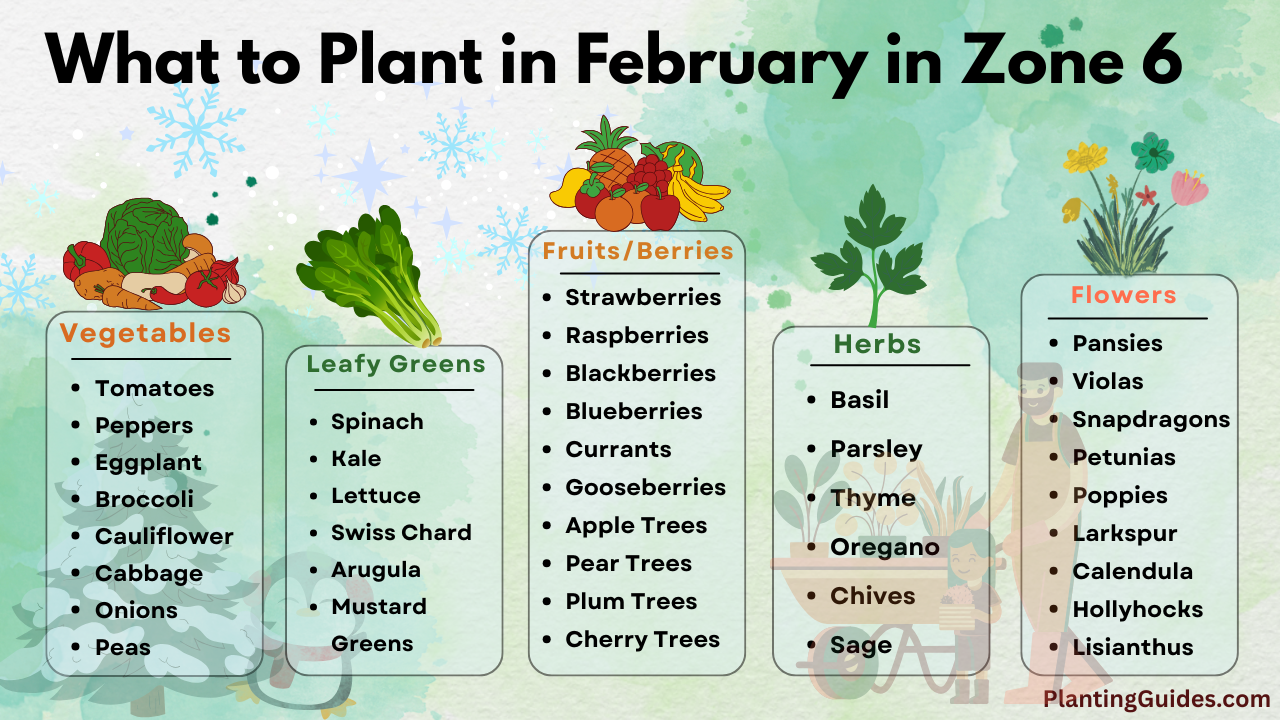
February in Zone 6 is a confusing month for gardeners. One day, you feel like spring is coming. The next day, everything is frozen again.
This is the month when many people make mistakes without even knowing it. If you plant too early, frost will kill your seedlings. If you wait too long, you lose valuable growing time.
You know what the most important thing is:
February is not about planting more. It is about planting smart"
In February, nights are still very cold in Zone 6, and frost is common. Outdoor planting is risky without protection, so starting seeds indoors is the safest choice.
This is not the month to rush into the garden. This is the month to gently prepare your garden for the months ahead.
Leafy Greens
Leafy greens are some of the easiest plants to grow in a garden. They handle cool weather well, grow quickly, and they give you your first harvest nice and early if you treat them correctly.
One thing you should always remember is that you can sow seeds outdoors only when you use protection like cold frames, row covers, or low tunnels.
| Leafy Green | Planting Method | Transplanting Time | First Harvest | Variety Recommendations |
|---|---|---|---|---|
| Spinach | Start indoors or sow under cover | Late March–Early April | April–May | Bloomsdale, Tyee, Giant Winter |
| Kale | Start indoors | Early April | May | Lacinato, Red Russian, Winterbor |
| Lettuce | Start indoors or under cover | Late March | April | Winter Density, Arctic King, Buttercrunch |
| Swiss Chard | Start indoors | Early April | May | Bright Lights, Fordhook Giant |
| Arugula | Under cover or indoors | Late March | April | Astro, Rocket |
| Mustard Greens | Under cover | Late March | April | Mizuna, Red Giant |
You know what, cold weather is not a big problem, but wet soil is. When water does not drain well, young plants suffer.
Cover your beds every night. Just one cold night can ruin weeks of careful work.
Thin your seedlings early. When plants grow too close together, they never grow strong.
Vegetables to Plant in February in Zone 6
| Vegetable | Planting Method | Transplanting Time | First Harvest | Variety Recommendations |
|---|---|---|---|---|
| Tomatoes | Start indoors | Late April–May | June–July | Early Girl, Roma, Celebrity |
| Peppers | Start indoors | Late April–May | July | California Wonder, Jalapeño, Banana Pepper |
| Eggplant | Start indoors | Late April–May | July | Black Beauty, Ichiban |
| Broccoli | Start indoors | Early April | May–June | Green Magic, Arcadia |
| Cauliflower | Start indoors | Early April | May–June | Snowball, Amazing |
| Cabbage | Start indoors | Early April | May–June | Golden Acre, Early Jersey Wakefield |
| Onions (from seed) | Start indoors | Early April | Summer | Copra, Candy, Walla Walla |
| Peas | Direct sow in late Feb if the ground is soft (or start indoors) | Early April | May–June | Little Marvel, Sugar Snap, Green Arrow |
Do not plant these outdoors now. Not even once.
Window light is usually not enough, so use grow lights. These are some best growlight recommendations you can check out: Best Grow Lights for Plants.
Peppers and eggplants grow slowly, so starting them in February isn't too early; it is actually necessary.
Herbs You Should Start in February
Herbs are easy to grow and make your food taste better. Some, like parsley, sprout very slowly, so they need to be started early.
| Herb | Planting Method | First Harvest | Flavour | Variety Recommendations |
|---|---|---|---|---|
| Basil | Start indoors from seeds in trays or pots | Late May | Sweet, slightly peppery, aromatic | Genovese, Sweet Basil |
| Parsley | Start indoors from seeds; slow to germinate | May | Fresh, mild, slightly grassy | Italian Flat Leaf |
| Thyme | Start indoors from seeds in well-drained soil | Late Spring | Earthy, warm, slightly minty | English Thyme |
| Oregano | Start indoors from seeds or cuttings | Late Spring | Strong, peppery, slightly bitter | Greek Oregano |
| Chives | Start indoors from seeds in shallow containers | May | Mild onion, fresh and delicate | Common Chives |
| Sage | Start indoors from seeds or cuttings in well-drained soil | Late Spring | Warm, earthy, slightly peppery | Common Sage, Purple Sage |
You can plant hardy herbs like Thyme and Sage outside a little earlier in spring. But basil hates the cold, so definitely wait until all danger of frost has passed.
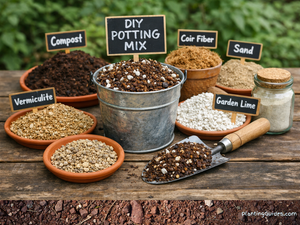
Actually, some herbs, like parsley, sprout very slowly, so they need to be started early. Always use fresh seed-starting soil so young seedlings stay healthy.
Fruits and Berries
| Fruit/Berry | Planting Method | First Harvest | Variety Recommendations (Zone 6 Winners) | Winter Care |
|---|---|---|---|---|
| Strawberries | Bare-root crowns | June (June-bearing) | Earliglow, Jewel, Seascape | Light mulch, cover in hard frost |
| Raspberries | Dormant bare-root canes | Next summer | Heritage, Boyne, Caroline | Mulch roots, prune dead canes |
| Blackberries | Dormant bare-root canes | Next summer | Triple Crown, Prime-Ark Freedom | Heavy mulch, tie canes |
| Blueberries | Dormant bare-root or potted bushes | 2–3 years | Bluecrop, Jersey, Patriot | Thick mulch, protect roots |
| Currants/Gooseberries | Dormant bare-root bushes | Next year | Red Lake, Pixwell | Mulch base only |
| Apple Trees | Bare-root dormant trees | 2–5 years | Honeycrisp, Liberty, Enterprise | Mulch base, trunk guard |
| Pear Trees | Bare-root dormant trees | 3–5 years | Bartlett, Moonglow, Harrow Delight | Mulch roots |
| Plum Trees | Bare-root dormant trees | 3–4 years | Stanley, Santa Rosa | Mulch well |
| Cherry Trees | Bare-root dormant trees | 3–5 years | Montmorency, Stella | Mulch, frost cover if needed |
Zone 6 is great for apples, pears, plums, and cherries because they need cold winters to produce fruit.
You can also go for Peaches this month, but their flowers can be damaged by frost.
As I've said many times in my previous articles, blueberries need acidic soil, so make sure to adjust your soil if it isn't acidic.
Flowers to Plant in February in Zone 6
Before the Flower Table — Don't Skip This:
- Early starts = early blooms.
- Weak light = weak plants. Light matters more than fertilizer.
I have already recommended the best grow lights in the vegetable section, so just scroll up and check them out.
| Flower Name | Planting Method | First Bloom | Perennial or Annual | Winter Care |
|---|---|---|---|---|
| Pansies/Violas | Start indoors early-mid Feb (or winter-sow) | April–May (under cover earlier) | Annual (often self-seed like perennials) | Mulch lightly; protect from hard freezes |
| Snapdragons | Start indoors mid-Feb (long growers) | Late May–June | Annual (cool-season biennial in warmer zones) | Cold-tolerant; cover during deep frost |
| Petunias | Start indoors late Feb (needs 10–12 weeks) | June–frost | Annual | Indoor only; protect from all frost |
| Poppies (Iceland/annual) | Winter-sow outdoors late Feb (or stratify indoors) | May–June | Annual/Short-lived perennial | No protection needed once established |
| Larkspur | Winter-sow outdoors late Feb | June | Annual | Hardy; minimal winter protection |
| Calendula (Pot Marigold) | Start indoors mid-Feb or winter-sow | May–June | Annual (cool hardy) | Light mulch; survives light frost |
| Hollyhocks | Start indoors late Feb (or winter-sow) | Next year (biennial) | Biennial/Short-lived perennial | Mulch crowns heavily in winter |
| Lisianthus | Start indoors VERY early Feb (slow!) | July–August | Annual | Indoor growing only; frost-sensitive |
The most important thing is to give your seedlings enough light, keep them in cool but safe temperatures, and protect them from frost. If you do this and move them outside only when the weather is more stable, your plants will grow much stronger and healthier.
I have focused on plants that usually grow best when you start them now (indoors or by winter sowing), based on what many experienced Zone 6 gardeners actually use and recommend.