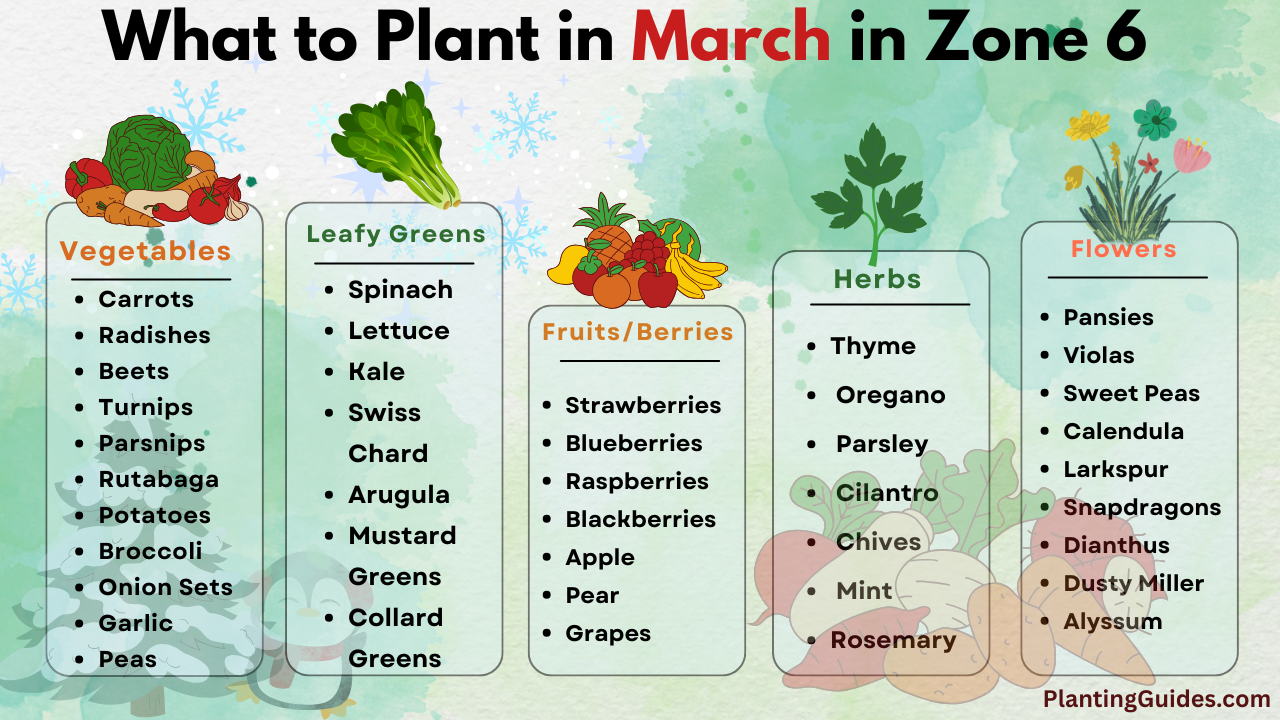
If you garden in Zone 6, you know very well how confusing March can be.
One day, it feels warm and sunny like spring is here. The next day? A sudden frost surprises you.
I've made the mistake of trusting one warm afternoon too much—and my plants paid the price.
So this guide is built around one rule:
In Zone 6, March is the time to grow cool-season crops and simply wait until the last frost is gone and the nights stop dropping below freezing.
Average last frost in Zone 6: April 10–30.
So in March, we grow plants that are okay with cold soil and don't get damaged by a little frost.
Leafy Greens
Actually, March in Zone 6 belongs to leafy greens.
If you try to fight the weather, you lose.
If you plant what LOVES cold soil? You win easily.
These greens don't just "survive" cold — they actually grow better in it.
| Leafy Green | Planting Method | Transplanting Time | First Harvest | Variety Suggestions |
|---|---|---|---|---|
| Spinach | Direct sow | Not needed | 30–40 days | Bloomsdale, Space |
| Lettuce (leaf & romaine) | Direct sow or start indoors | 3–4 weeks after start | 30–50 days | Black Seeded Simpson, Buttercrunch, Romaine |
| Kale | Direct sow or start indoors | 3–4 weeks | 45–60 days | Lacinato, Red Russian |
| Swiss Chard | Direct sow | Not needed | 50–60 days | Bright Lights, Fordhook Giant |
| Arugula | Direct sow | Not needed | 25–35 days | Astro, Rocket |
| Mustard Greens | Direct sow | Not needed | 30–40 days | Southern Giant, Red Giant |
| Collard Greens | Direct sow or start indoors | 3–4 weeks | 55–75 days | Georgia Southern |
| Bok Choy | Direct sow | Not needed | 30–45 days | Joi Choi, Baby Bok Choy |
| Endive | Direct sow or start indoors | 3–4 weeks | 45–60 days | Green Curled, Batavian |
Plant only when the soil is workable (not frozen, not muddy). If the soil sticks to your shovel, wait 2–3 more days before planting.
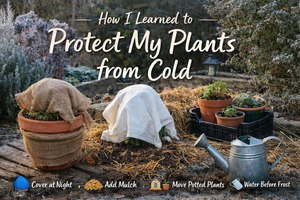
Use row cover if temps drop below 25°F.
If you plant just one thing in March, plant Spinach. It grows so easily, it barely needs any care.
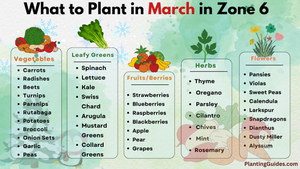
Vegetables to Plant in Zone 6 in March
March in Zone 6 is a great time for vegetables that like the cold and can handle a little frost without any problem.
These are some of the best vegetables to plant now that will grow well in the chilly March weather.
| Vegetable | Planting Method | Transplanting Time | First Harvest | Variety Suggestions |
|---|---|---|---|---|
| Carrots | Sow seeds ½ inch deep in loose soil | Not recommended | 60–75 days | Nantes, Danvers |
| Radishes | Sow seeds ½ inch deep, thin seedlings | Not needed | 20–30 days | Cherry Belle, French Breakfast |
| Beets | Sow seeds ½–1 inch deep, 2–3 inches apart | Not needed | 50–60 days | Detroit Dark Red |
| Turnips | Sow seeds ½ inch deep, thin to 2–4 inches | Not needed | 40–60 days | Purple Top White Globe |
| Parsnips | Sow seeds ½ inch deep in loose soil | Not needed | 120–180 days | Harris Model, Gladiator |
| Rutabaga | Sow seeds ½ inch deep, 4–6 inches apart | Not needed | 90–120 days | Laurentian, American Purple Top |
| Potatoes | Plant seed potatoes 3–4 inches deep | Not transplanted | 70–100 days | Yukon Gold, Red Pontiac |
| Broccoli | Start seeds indoors ½ inch deep | Transplant in April | 60–90 days | Calabrese |
| Cabbage | Start seeds indoors ¼ inch deep | Transplant in April | 70–100 days | Golden Acre |
| Cauliflower | Start seeds indoors ¼ inch deep | Transplant in April | 70–90 days | Snowball |
Do NOT plant Tomatoes or Peppers outside in March. They actually hate the cold soil.
Use row covers if temperatures drop below -3°C (26°F).
If heavy rain is expected, don't plant seeds in wet soil, or they might rot before they start growing.
Peas and root crops should be planted only when the soil is at least 45°F, so the seeds can start growing well.
ALLIUMS — Cold-Loving Bulb Crops
These are the perfect plants to plant in March.
| Vegetable | Planting Method | Transplanting Time | First Harvest | Variety Suggestions |
|---|---|---|---|---|
| Onion Sets | Plant small sets 1 inch deep | Not needed | 90–120 days | Yellow Stuttgarter |
| Shallots | Plant cloves 1–2 inches apart | Not needed | 90–120 days | French Red |
| Garlic (spring planting) | Plant cloves 2 inches deep, point up | Not needed | Summer | Hardneck varieties |
| Leeks | Start seeds indoors, then transplant | Late March | 100–120 days | American Flag |
Plant only when the soil is soft enough to dig.
These plants can handle a little frost, but make sure the soil drains well so the roots don't stay wet.
PEAS — The March Classic
Peas LOVE cold.
Soak seeds 8 hours before planting.
| Vegetable | Planting Method | First Harvest | Variety Recommendations |
|---|---|---|---|
| Snap Peas | Direct sow, 1 inch deep | 55–65 days | Sugar Snap, Cascadia |
| Snow Peas | Direct sow, 1 inch deep | 50–60 days | Oregon Giant, Mammoth Melting Sugar |
| Shelling Peas | Direct sow, 1–2 inches apart | 60–70 days | Green Arrow, Little Marvel |
Peas and root crops should be planted only when the soil is at least 45°F, so the seeds can start growing well.
Fruits & Berries to Plant in March
This month is a great time to plant bare-root fruit trees and berry bushes while they are still dormant, before new leaves and buds appear.
| Vegetable | Planting Method | First Harvest | Variety Suggestions |
|---|---|---|---|
| Strawberries | Bare-root crowns 12–18" apart in sun, well-drained soil | Late spring (some types year 1) | Earliglow, Ozark Beauty |
| Blueberries | Dormant shrubs in acidic soil, 4–5' apart, mulch | Year 2–3 | Bluecrop, Patriot |
| Raspberries | Canes 2–3' apart, trellis support, full sun | Summer (some first year) | Heritage, Caroline |
| Blackberries | Canes 3–4' apart, trellis, well-drained soil | Year 2 | Chester |
| Apple | Bare-root trees 15–20' apart, stake young trees, prune | 2–4 years | Honeycrisp |
| Pear | Bare-root trees 15–20' apart, stake, prune | 2–4 years | Bartlett |
| Grapes | Dormant vines 6–8' apart, trellis, full sun | Year 2 | Concord, Thompson Seedless |
Always plant in well-drained soil and cover the soil with mulch right after planting.
If your flowers have started blooming early and a late frost is coming, cover them with a frost cloth to protect them from cold damage.
Flowers to Plant in Zone 6
| Flower Name | Planting Method | Transplanting Time (Days Before Sowing) | First Bloom | Perennial or Annual |
|---|---|---|---|---|
| Pansies | Transplants | 10–12 days | 4–6 weeks | Annual |
| Violas | Transplants | 10–12 days | 4–6 weeks | Annual |
| Sweet Peas | Direct sow seeds outdoors | Not Applicable | 8–10 weeks | Annual |
| Calendula | Direct sow seeds outdoors | Not Applicable | 45–60 days | Annual |
| Larkspur | Direct sow seeds outdoors | Not Applicable | 8–10 weeks | Annual |
| Snapdragons | Start indoors | 6–8 weeks | 10–12 weeks | Annual |
| Dianthus | Start indoors or small transplants | 6–8 weeks | 10–12 weeks | Perennial |
| Dusty Miller | Start indoors | 6–8 weeks | Summer | Annual |
| Alyssum | Direct sow seeds outdoors | Not Applicable | 6–8 weeks | Annual |
| Stock (Matthiola) | Start indoors | 6–8 weeks | 10–12 weeks | Biennial/Annual |
| Bachelor’s Buttons | Direct sow seeds outdoors | Not Applicable | 8–10 weeks | Annual |
| Sweet William (Dianthus barbatus) | Start indoors | 6–8 weeks | Late Spring | Biennial/Perennial |
Sweet peas need cool soil to germinate.
Pansies survive light snow.
Plant hardy annual seeds directly in the ground before the soil gets too warm.
Protect seedlings if temperatures drop below 25°F at night.
Herbs to Plant in Zone 6 in March
This month, you can plant many herbs directly in the ground, but if needed, start them indoors and transplant them outside after the last frost for the best growth.
| Herb | Planting Method | First Harvest | Flavor | Variety Suggestion |
|---|---|---|---|---|
| Parsley | Direct sow or indoors | 60–70 days | Fresh, slightly peppery | Italian Flat Leaf |
| Cilantro | Direct sow | 30–40 days | Bright, citrusy | Santo |
| Chives | Direct sow or divide | 60 days | Mild onion | Garlic Chives |
| Thyme | Start indoors | 60–90 days | Earthy, slightly minty | English Thyme |
| Oregano | Start indoors | 60–90 days | Warm, strong, slightly bitter | Greek Oregano |
| Mint | Plant divisions | 30–60 days | Cool, refreshing | Peppermint |
| Dill | Direct sow | 40–50 days | Light, feathery, citrusy | Bouquet Dill |
| Rosemary | Start indoors | Small harvest Year 1 | Piney, woody | Arp |
| Sage | Start indoors | 70–90 days | Savory, earthy | Common Sage |
Plant hardy herbs like parsley, cilantro, chives, and dill directly in the ground—they don't mind this month's cold.
You should start tender herbs like thyme, oregano, rosemary, and sage indoors to protect them until the last frost is gone.