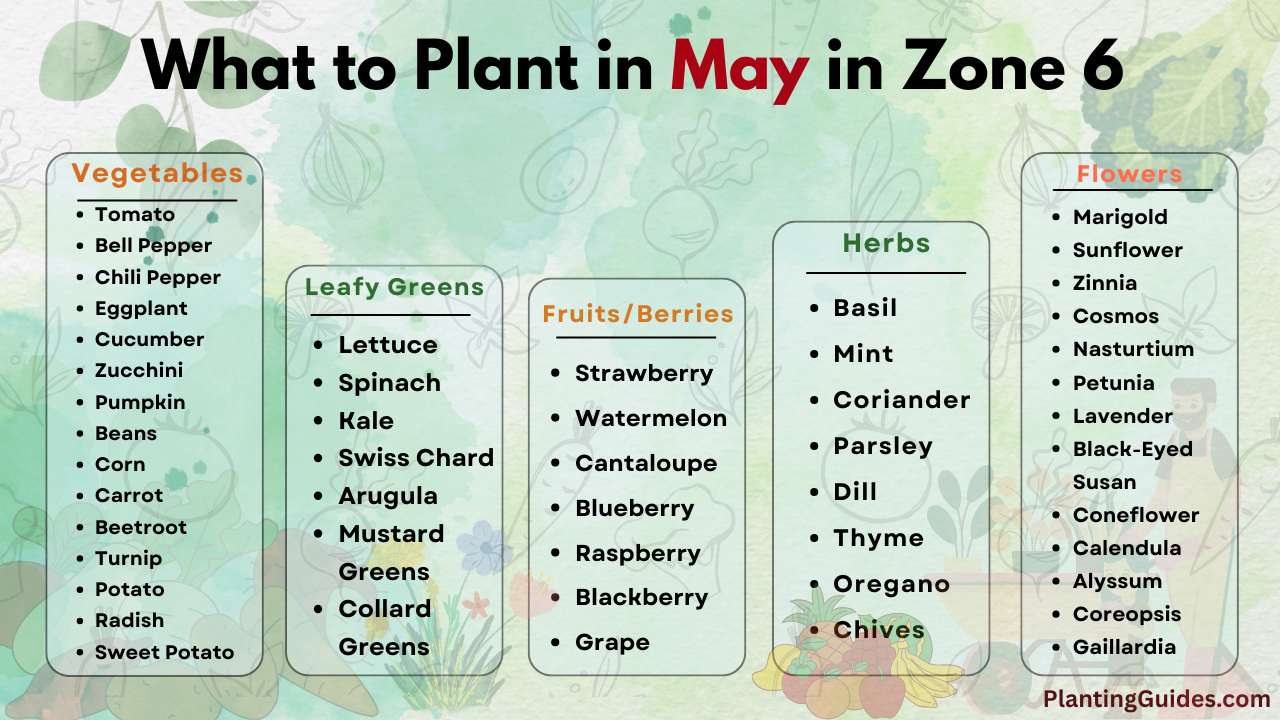
You know what, May is the time when gardening finally starts to feel easy.
The soil is not cold anymore, nights are more stable, and plants stop struggling just to stay alive. They actually start growing the way they should.
I have seen it many times. People who plant at the right time get a full, healthy garden. But those who plant too early or too late keep struggling the whole season.
Most beginners don't fail because they don't try hard enough. They fail because the timing is slightly off. Even planting a little too early or a little late can cause problems.
So before you start planting, just focus on some simple things.
The soil should feel a bit warm when you touch it, not cold. And night temperatures should stay above 10°C or 50°F without sudden drops.
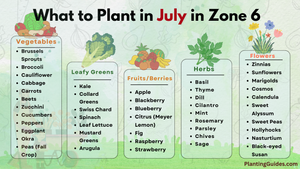
So, considering the weather, last frost, and soil temperature, in this guide, I will show you exactly which plants grow really well this month in Zone 6 instead of just surviving.
Leafy Greens to Plant in Zone 6
These are some leafy greens you can plant this month in Zone 6.
Always try to keep the soil slightly moist all the time, not dry and not too wet. Dry soil makes the leaves taste bitter. You can try mulch for it.
| Leafy Green | Planting Method | Transplanting Time | First Harvest | Variety Recommendations |
|---|---|---|---|---|
| Lettuce | Direct sow / Transplant | 2–3 weeks | 30–45 days | Butterhead, Romaine |
| Spinach | Direct sow | N/A | 25–40 days | Bloomsdale, Space |
| Kale | Transplant | 3–4 weeks | 40–60 days | Lacinato, Curly |
| Swiss Chard | Direct sow | N/A | 30–50 days | Bright Lights |
| Arugula | Direct sow | N/A | 20–30 days | Astro |
| Mustard Greens | Direct sow | N/A | 25–40 days | Red Giant |
| Collard Greens | Transplant | 3–4 weeks | 50–70 days | Georgia Southern |
Always water leafy greens at the base, not on the leaves. This helps stop fungal problems and keeps the plants healthy.
If the temperature starts going above 24–26°C (75–80°F), give your plants some shade in the afternoon. This slows down bolting and keeps the leaves soft.
I always use homemade organic fertilizers in my garden. If you also want to use them the right way, I have created a detailed guide on it. You can check it out from here: Best Homemade Organic Fertilizers and Compost.
Vegetables to Plant in Zone 6 in May
You should plant warm-season vegetables like tomato, pepper, and eggplant only when nights feel stable and a bit warm. If you plant them too early, it's just a waste of time and effort.
If the weather suddenly drops, use a light cover or cloth at night to protect young plants.
| Vegetable | Planting Method | Transplanting Time | First Harvest | Variety Recommendations |
|---|---|---|---|---|
| Tomato | Transplant | 4–6 weeks | 60–85 days | Roma, Beefsteak, Cherry |
| Bell Pepper | Transplant | 6–8 weeks | 70–90 days | California Wonder, Red Knight |
| Chili Pepper | Transplant | 6–8 weeks | 70–90 days | Jalapeño, Cayenne |
| Eggplant | Transplant | 6–8 weeks | 70–100 days | Black Beauty |
| Cucumber | Direct sow / Transplant | 2–3 weeks | 50–70 days | Marketmore, Straight Eight |
| Zucchini | Direct sow | N/A | 45–60 days | Black Beauty, Cocozelle |
| Pumpkin | Direct sow | N/A | 90–120 days | Sugar Pie, Howden |
| Beans | Direct sow | N/A | 50–60 days | Bush Blue Lake |
| Corn | Direct sow | N/A | 60–90 days | Golden Bantam, Silver Queen |
| Carrot | Direct sow | N/A | 60–80 days | Nantes, Danvers |
| Beetroot | Direct sow | N/A | 50–70 days | Detroit Dark Red |
| Turnip | Direct sow | N/A | 40–60 days | Purple Top, Tokyo Cross |
| Potato | Seed tuber | N/A | 70–100 days | Yukon Gold, Red Pontiac |
| Radish | Direct sow | N/A | 25–40 days | Cherry Belle, French Breakfast |
| Sweet Potato | Transplant (slips) | Not Needed | 90–120 days | Beauregard |
Cucumber, zucchini, pumpkin, beans, and corn don't care much about air temperature; they care about warm soil. They grow fast in warm soil. But if the soil is cold, seeds can rot or take a long time to sprout.
Sweet potatoes need real warmth. Plant only when the soil is warm, otherwise the growth will be very slow.
Root crops like carrots, beetroot, and turnip are easy to grow, but they need soft soil and steady watering. If the soil is hard, the roots can grow in odd shapes or even crack.
If your seedlings are not growing properly, most of the time the problem is the soil. So I created a simple guide on the best soil for starting seedlings that explains exactly what actually works.
Fruits & Berries
| Fruit / Berry | Planting Method | Soil Type | First Harvest | Variety Recommendations |
|---|---|---|---|---|
| Strawberry | Transplant runners / nursery plants | Well-drained, slightly acidic soil | 60–90 days | Albion, Seascape |
| Watermelon | Direct sow in warm soil (mounds/hills) | Sandy, well-drained soil | 80–100 days | Crimson Sweet |
| Cantaloupe | Direct sow in warm soil (raised mounds) | Sandy, well-drained soil | 80–90 days | Athena, Ambrosia |
| Blueberry | Transplant 1–2 year old nursery plant | Acidic soil (pH 4.5–5.5), well-drained | 1–2 years | Jersey |
| Raspberry | Transplant canes / bare-root plants | Well-drained, fertile soil | 1 year | Caroline, Tulameen |
| Blackberry | Transplant rooted cuttings / nursery plant | Well-drained, slightly acidic soil | 1 year | Apache |
| Grape | Transplant dormant vine / rooted cutting | Well-drained, loamy soil | 1–2 years | Flame Seedless, Niagara |
After planting, add mulch around the base. It keeps the soil from drying out and protects the roots as the heat starts increasing.
If you're not sure which mulch to use or how thick it should be, I've already explained everything in a simple guide on mulching. You can check it out.
Blueberries are a bit sensitive when it comes to fertilizer. Even a small mistake can slow their growth. So, I have created a detailed guide on the best fertilizers for blueberries. You can check that out from here: Best Fertilizers for Blueberries.
Herbs to Plant in May in Zone 6
Herbs actually grow better when both the soil and nights are warm.
So, if the night temperatures are still dropping below around 10°C (50°F), it's better to wait a few days before planting.
Just have a look at the table below – I have listed the herbs that grow best if you plant them this month in Zone 6.
| Herb | Planting Method | First Harvest | Variety Recommendations | Flavour |
|---|---|---|---|---|
| Basil | Start indoors, then transplant | 30–40 days | Purple Basil, Lemon Basil | Sweet, slightly peppery |
| Mint | Plant from cuttings or nursery plants | 30–50 days | Chocolate Mint | Cool, refreshing, slightly sweet |
| Coriander | Direct sow seeds in soil | 25–35 days | Santo, Calypso | Fresh, citrusy |
| Parsley | Direct sow or start indoors, transplant | 40–60 days | Moss Curled | Mild, slightly bitter |
| Dill | Direct sow seeds (does not transplant well) | 40–50 days | Dukat, Fernleaf | Light, tangy, slightly sweet |
| Thyme | Start from cuttings or transplant seedlings | 60–90 days | Creeping Thyme, Lemon Thyme | Earthy, slightly minty |
| Oregano | Start from cuttings or nursery plants | 60–90 days | Italian, Greek, Hot & Spicy | Strong, warm, slightly bitter |
| Chives | Plant from divisions or transplant | 30–50 days | Siberian | Mild onion-like |
Mint and oregano grow very fast and spread everywhere, so it's better to plant them in pots or containers, or they will take over your garden.
You can plant herbs like coriander and dill directly in the ground once the soil feels a bit warm when you touch it. Just touch the soil, no need to check with a thermometer.
Flowers to Plant in May in Zone 6
Always try to plant flowers like marigolds, alyssum, and cosmos with your vegetables. These flowers attract bees and butterflies, which help pollinate your plants, so you get more fruits and better yields.
| Flower Name | Planting Method | First Bloom | Perennial or Annual | Flower Color |
|---|---|---|---|---|
| Marigold | Direct sow / Transplant nursery seedlings | 45–60 days | Annual | Yellow, Orange |
| Sunflower | Direct sow | 60–80 days | Annual | Yellow |
| Zinnia | Direct sow | 50–70 days | Annual | Red, Pink, Yellow, Orange |
| Cosmos | Direct sow | 50–70 days | Annual | Pink, White, Purple |
| Nasturtium | Direct sow | 50–60 days | Annual | Orange, Yellow, Red |
| Petunia | Transplant nursery-grown seedlings | 60–80 days | Annual | Purple, Pink, White, Red |
| Lavender | Transplant nursery-grown seedlings or rooted cuttings | 90+ days | Perennial | Purple |
| Black-Eyed Susan | Direct sow | 70–90 days | Perennial | Yellow with dark center |
| Coneflower (Echinacea) | Transplant nursery-grown seedlings | 90+ days | Perennial | Pink, Purple |
| Calendula | Direct sow | 45–60 days | Annual | Yellow, Orange |
| Alyssum | Direct sow | 30–50 days | Annual | White, Purple, Pink |
| Coreopsis | Direct sow | 60–80 days | Perennial | Yellow, Red |
| Gaillardia | Direct sow | 60–80 days | Perennial | Red, Yellow |
May is generally safe in Zone 6, but early May can still surprise you with a late frost. So, if temperatures drop, cover young plants with a cloth or bring pots indoors.
Flowers like petunia, lavender, and echinacea need a little care after transplanting, so give them 2–3 days of light shade to help them settle in, and don't give too much water.