The first time I saw yellow leaves on my plant, I got really frustrated, because I was watering it, taking care of it properly, and still it looked like something was going wrong. It just didn't make sense at that moment.
But here's what years of growing plants taught me:
It's actually the plant's way of telling you something is wrong deep down, maybe in the roots or in the conditions around it (environment).
What if you could read your plant like a language?
What if just by looking at the pattern of yellowing, you could instantly understand what your plant needs?
That's exactly what this guide will help you do.
So, read this article till the end. Trust me, after you finish this article, you won't just fix yellow leaves, you will understand why it actually happens, how to catch it early, and the right way to fix it and keep your plants healthy.
First, Understand the Pattern
Yellow leaves are one of the most common problems every gardener faces, and it's also one of the most confusing and misunderstood things.
Some people see it and immediately pour more water. Others add fertilizer, move the plant into sunlight, or start searching for diseases online. This kind of actions makes the plant's condition worse.
So, it's really important to understand the real problem and what your plant is actually lacking. The table below will help you quickly identify the issue and what your plant needs.
| Yellowing Pattern | What It Usually Means | Common Signs to Notice |
|---|---|---|
| Older/bottom leaves turning yellow first | Natural aging or nitrogen deficiency | Lower leaves yellow first; new growth stays green; slow growth may indicate nitrogen deficiency |
| New/top leaves turning yellow first | Iron deficiency or root problems | Young leaves pale yellow; veins may stay green; weak or droopy new growth |
| Entire plant turning yellow evenly + soggy soil | Overwatering | Whole plant looks dull; Leaves turn pale yellow and soft first, and may fall off easily |
| Yellow leaves with brown crispy edges + dry soil | Underwatering, heat stress, or fertilizer burn | Leaves turn yellow evenly and may sometimes curl. Also, leaf edges turn brown, dry, and crispy. |
| Yellow spots or speckles | Pests | Tiny dots, sticky leaves, webbing, or insects under leaves |
| Yellow patches with black/brown spots | Fungal or bacterial disease | Circular spots, spreading patches, leaf drop, mold-like growth |
| Pale/bleached areas on sun-facing side | Sunburn | Damage mostly on leaves exposed to strong sunlight |
| Yellowing between green veins | Nutrient deficiency (iron or magnesium) | Veins stay green while area between turns yellow |
| Sudden yellowing after repotting | Transplant shock | Leaves wilt or yellow after moving plant |
If you match your plant's symptoms with this table, you will already be 70% close to the correct diagnosis, and that means you won't waste time on the wrong treatment.
Now, let's look at the most common causes of yellow leaves and the right solutions to fix each problem properly.
Yellow Leaves Caused by Overwatering
Overwatering means giving the plant more water than it needs or watering it too often, so the soil never gets time to dry.
Roots actually need oxygen to function. When you give your plant too much water, the roots stay in wet soil all the time and don't get enough air. So, the roots begin to rot, turning soft, dark, and unhealthy. Once root rot starts, the plant loses its ability to absorb water and nutrients properly, even though the soil is full of water. This is why the leaves start turning yellow, and the plant may look weak or droopy at the same time.
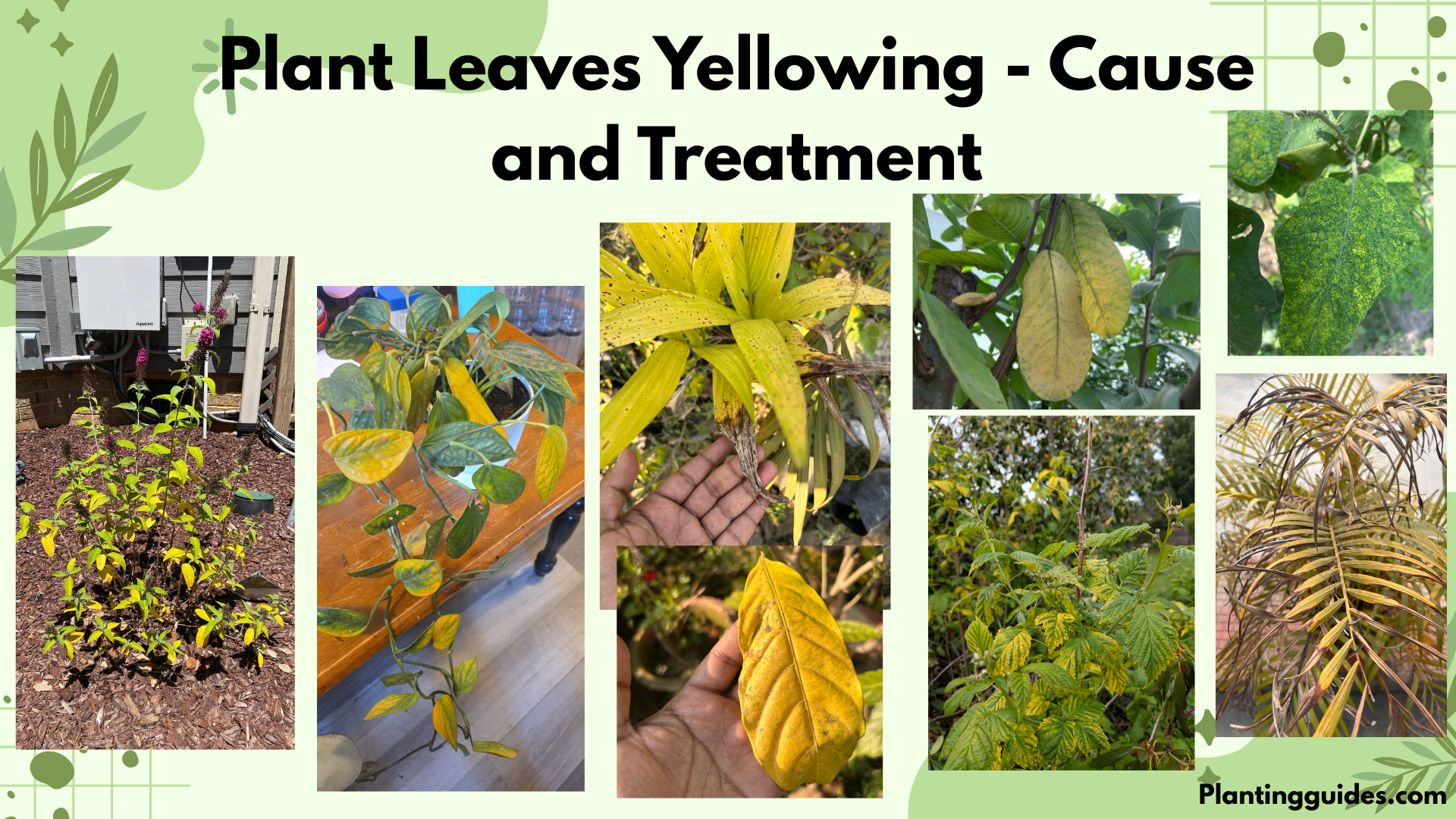
You will usually see yellow, soft, and droopy leaves, and the soil stays wet or sticky for many days. Sometimes the soil may also have a bad smell, and the leaves can fall off very easily with just a light touch.
To fix this, stop watering immediately and let the soil dry out properly before watering again. Improve soil drainage by loosening the surrounding soil and avoid watering again until the top layer of soil becomes dry and lighter. If it's a potted plant, make sure the pot has proper drainage so water doesn't stay trapped.
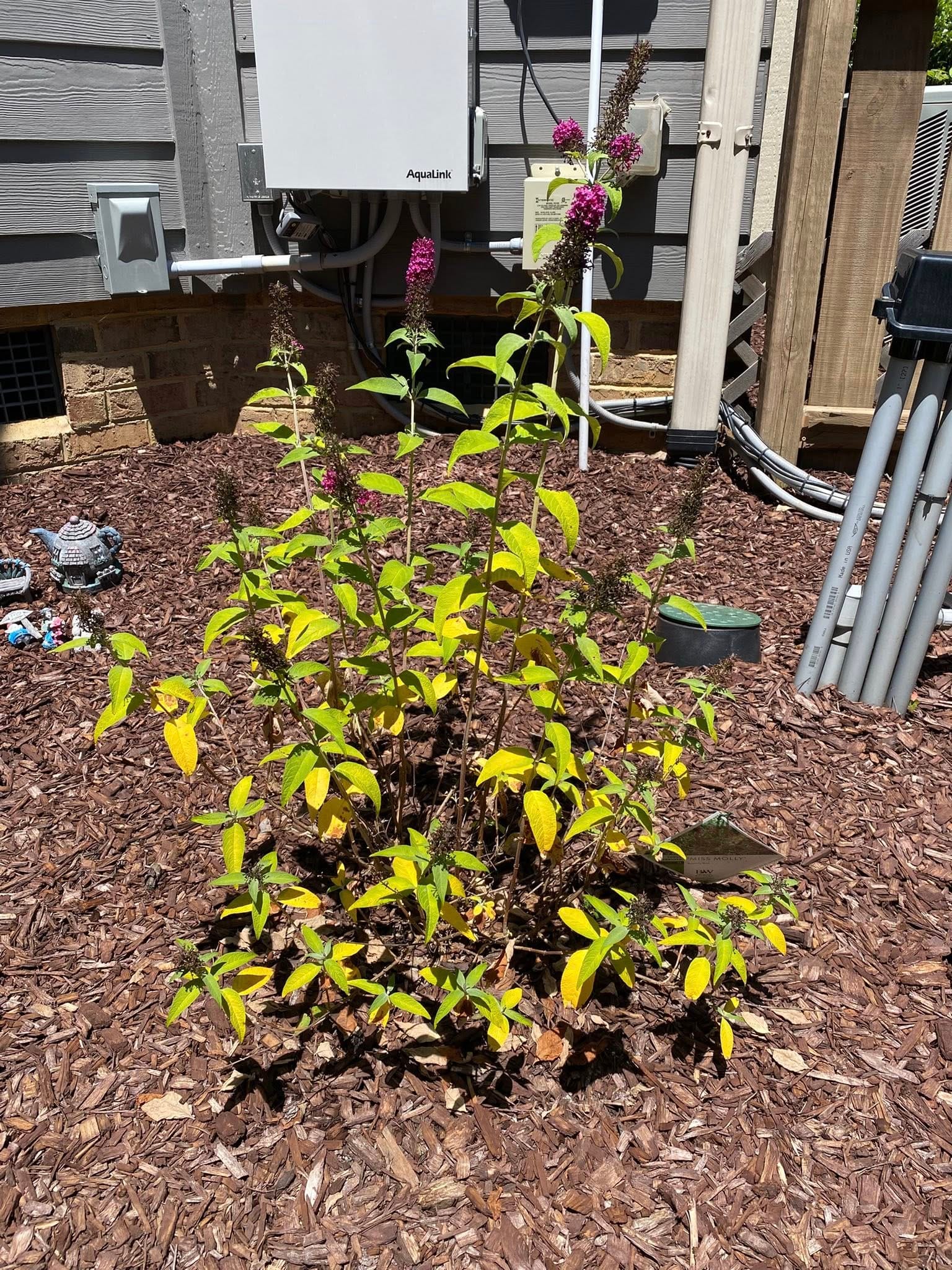
If the problem is serious, remove the plant from the ground or pot and check the roots. Healthy roots look light and firm, but rotten roots look black, soft, and mushy. Cut off all the damaged roots and plant the healthy part in fresh, light, and well-draining soil.
In simple terms, overwatering slowly suffocates the roots, and yellow leaves are the first visible warning that the plant is already struggling underground.
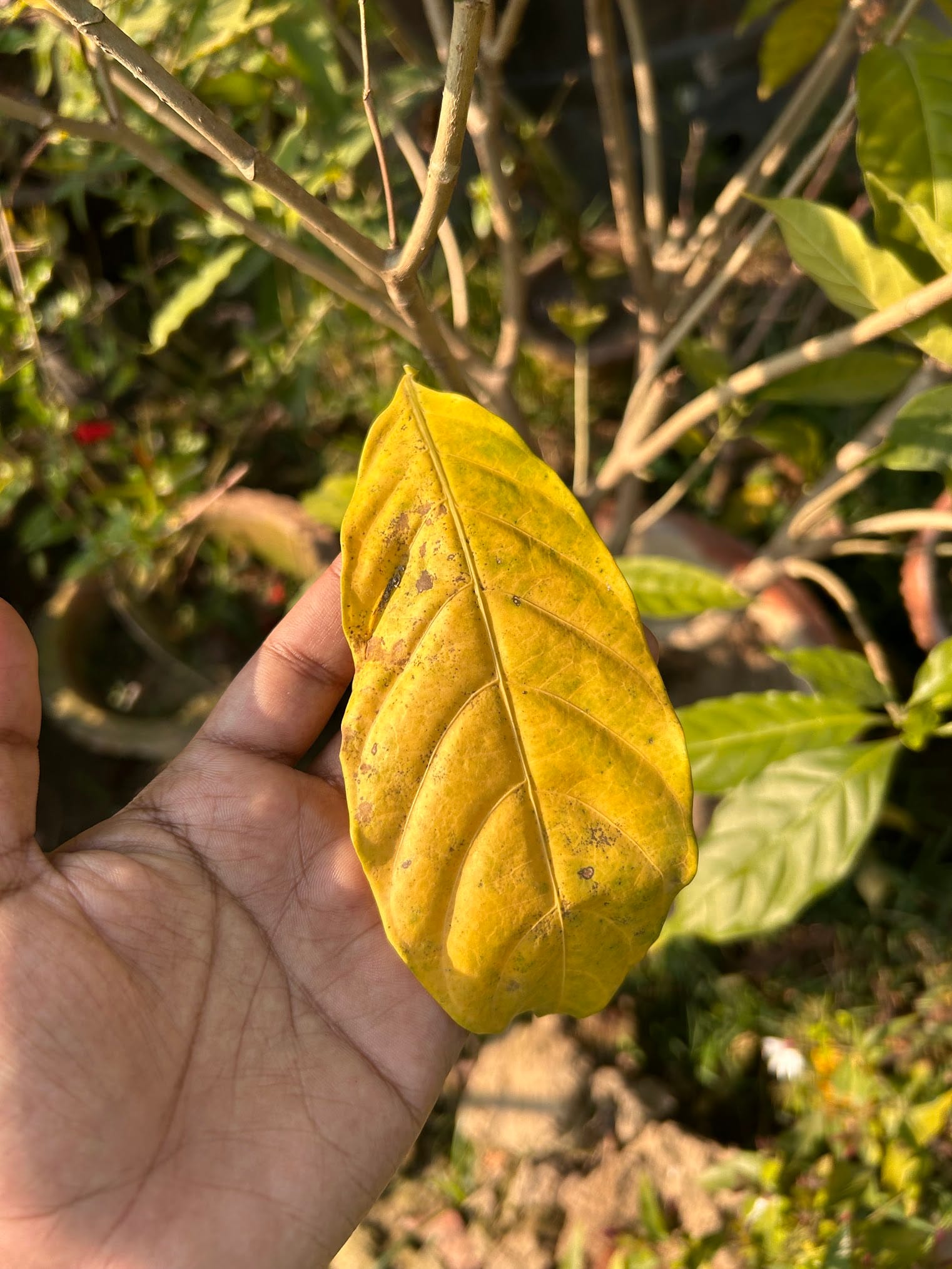
I first noticed this leaf turning yellow and hanging lower than the healthy leaves. When I lightly touched it to check the damage, the leaf immediately fell off in my hand. This is a common sign of overwatering, where the roots stay too wet and become weak, so the plant can no longer hold the leaves properly.
Plant Leaves Yellowing Due to Underwatering
Yes, not only overwatering, but also underwatering can be a reason your plant leaves are turning yellow.
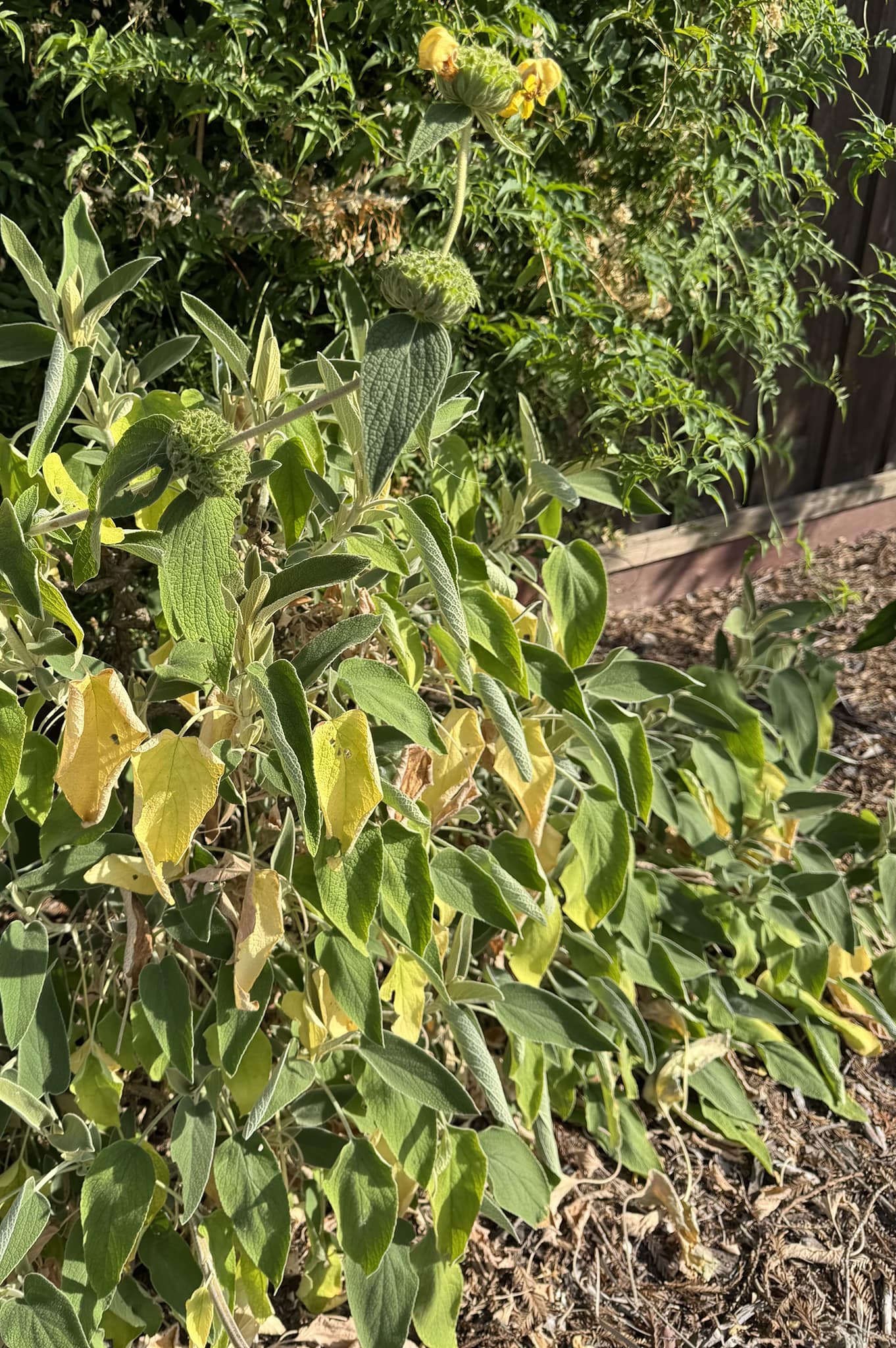
When a plant doesn't get enough water for a long time, it first saves water by stopping the supply to the older leaves. That's why older leaves are affected first. In the early stage, new leaves usually stay fine. But if the water shortage continues for too long, even new leaves start turning yellow, then wilt, and finally dry out.
You can confirm underwatering very easily. The soil will feel completely dry, sometimes even hard. In pots, the soil may pull away from the sides. In the ground plants, the top layer will look cracked and dusty, and even digging a little will show dry soil underneath.
Simple ways to recover a potted plant:
- Don't just sprinkle a little water. Give water slowly and properly until it starts coming out from the bottom holes. This makes sure the roots get enough water.
- If the soil is very dry and water is not going inside, water once, wait a few minutes, then water again so the soil can soak it well.
- After watering, keep the plant in normal indirect light and avoid strong sunlight for a few days so it can recover easily.
If the soil becomes very dry for a long time, it stops absorbing water properly. Instead of soaking water, it starts pushing water away, and the water just flows through or runs off the sides. This is called hydrophobic soil. To fix this, put the whole pot in a bucket of water for 10–15 minutes so the soil slowly absorbs water from all sides. After that, the soil becomes normal again and can hold moisture properly.
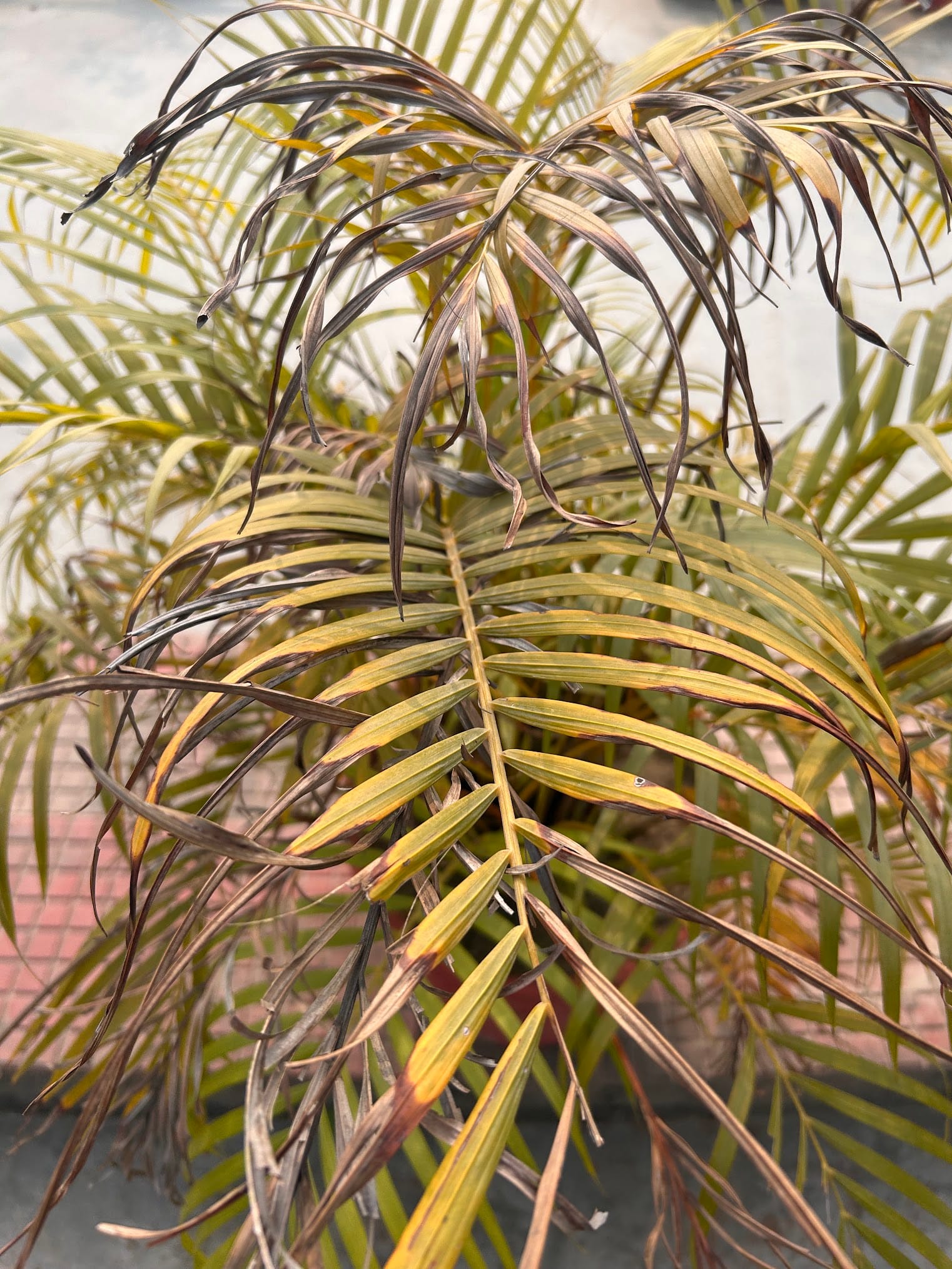
For plants growing in the ground:
Water deeply so it reaches the deeper soil, because their roots spread widely. If the soil is too dry and hard, water it in two rounds so the first watering loosens the soil and the second one will go deeper.
Too Much Sunlight – Sunburn / Leaf Scorch
I faced this problem for the first time when I moved my plumeria from a shaded area to direct outdoor sunlight. At first, everything looked fine. But within a few days, I noticed some burnt spots appearing on the leaves with yellow areas around them, almost like they were burnt.
Some leaves also started looking dull and stressed, especially the ones getting direct afternoon sun.
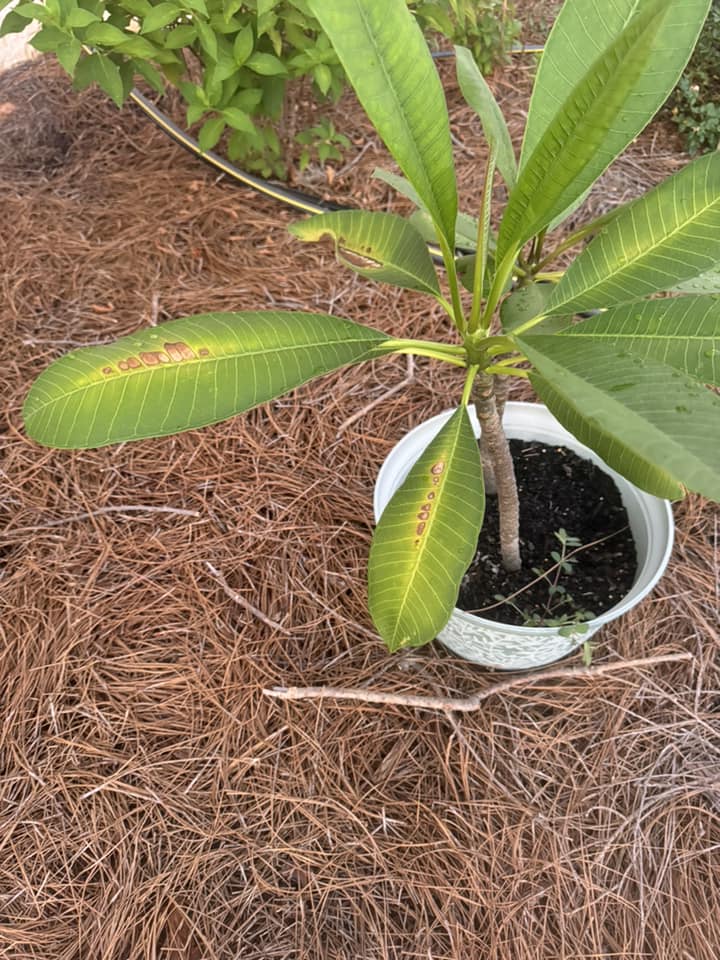
Let me explain to you what actually happened.
When I suddenly exposed my plant to strong direct sunlight, especially afternoon sun, the leaves couldn't handle the heat.
The leaf cells basically got stressed and damaged. The plant started losing moisture too fast, and the protective green pigment (chlorophyll) broke down. That's why the leaves first turn yellow and then become dry and look burnt.
What I Did to Fix It
- I just blocked the direct sunlight using a cover or shade cloth to protect the plant from harsh sun.
- I also removed only the fully damaged or burnt leaves, and left the healthy ones as they are.
Now, I hardened off my plants slowly by first giving them only a few hours of morning sun, then increasing the time a little each day over 7–10 days, until they were strong enough to handle full sunlight without getting stressed. This actually helps prevent sunburn, leaf damage, and transplant shock.
Nutrient Deficiency in Plants
| Nutrient | Where Yellowing Starts | Key Symptoms | Main Cause | Combined Treatment (Do This Together) |
|---|---|---|---|---|
| Nitrogen (N) | Older / lower leaves | Older leaves turn pale green or yellow first (uniform yellowing), slow growth, weak plant | Nutrient-depleted soil, no feeding | Balanced NPK fertilizer + compost/vermicompost + proper watering schedule |
| Iron (Fe) | New leaves | Yellow leaves with green veins (chlorosis) | High pH soil, root stress, waterlogging | Iron chelate + foliar spray + improve drainage + avoid overwatering |
| Magnesium (Mg) | Middle / older leaves | Yellowing between veins, veins stay green | Old soil, frequent watering, nutrient leaching | Epsom salt (1 tsp/L water) + micronutrient fertilizer + controlled watering |
| Potassium (K) | Leaf edges | Yellow edges - brown crispy tips, weak stems | Poor soil, heavy flowering/fruiting | Potassium-rich fertilizer + banana peel compost + small wood ash + regular feeding |
You know what the simple truth is: many plant problems that look like nutrient deficiency are actually caused by watering or root issues.
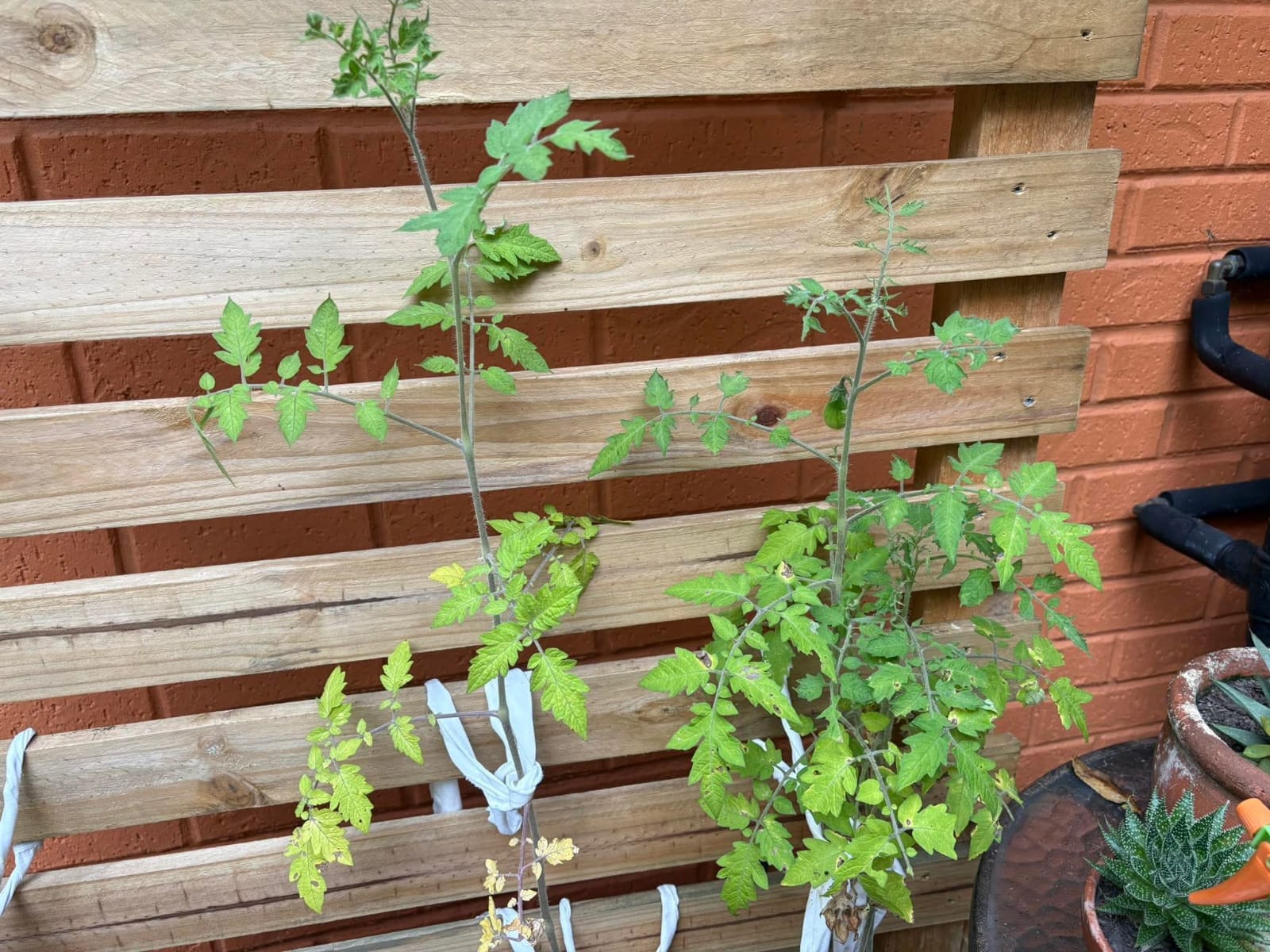
So, before you add fertilizer, check these things:
- If the soil stays too wet, the roots can't get enough air and they stop absorbing nutrients properly. This is called "root lock."
- If the soil is too dry, nutrients can't move in the soil, so the plant can't absorb them.
- For potted plants, if the plant is root-bound (roots are tightly packed in the pot), the roots don’t have enough space to grow and can’t absorb water and nutrients properly.
So, if the roots are not healthy, just adding fertilizer won't help. You first need to fix watering or root problems.
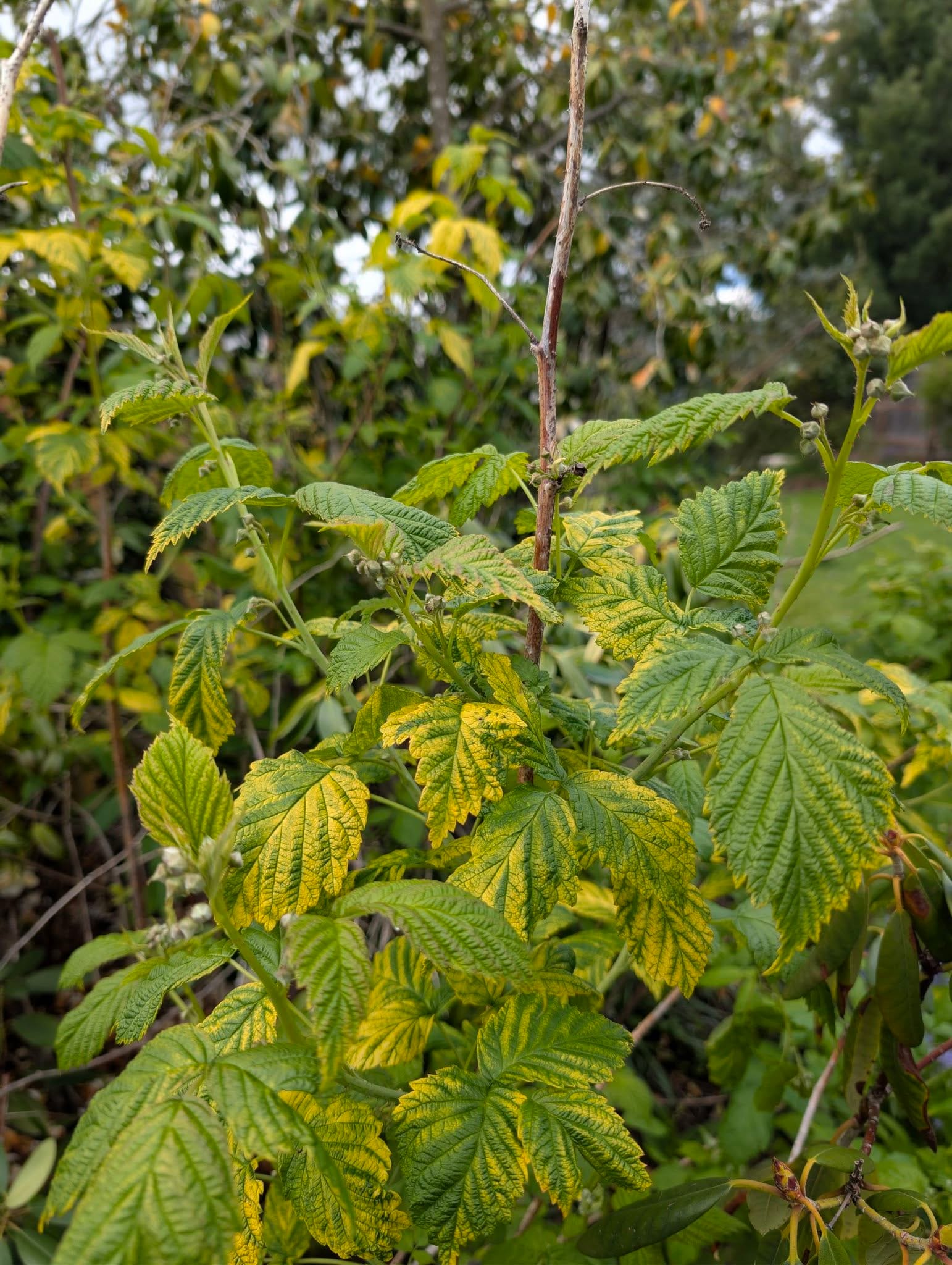
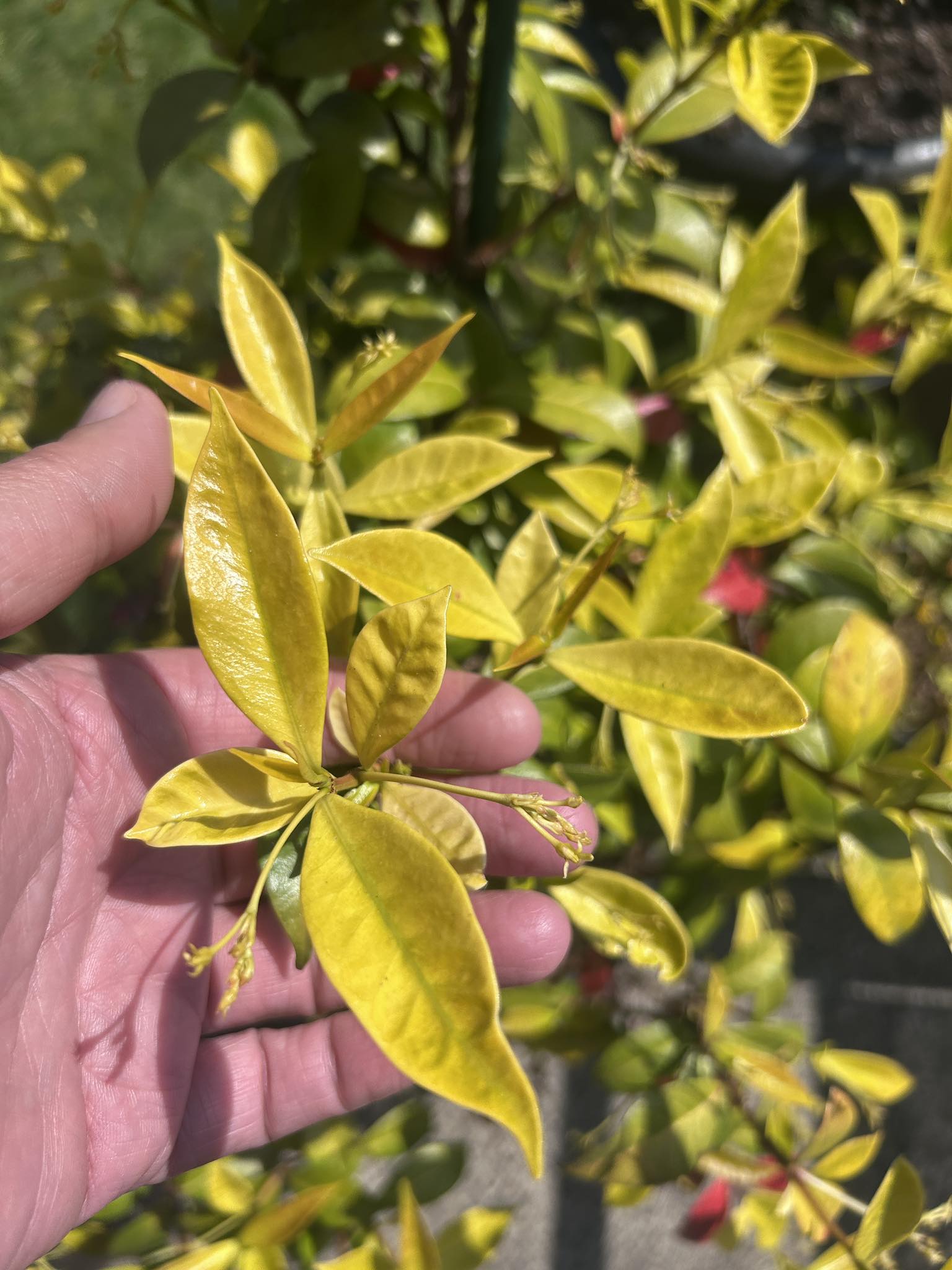
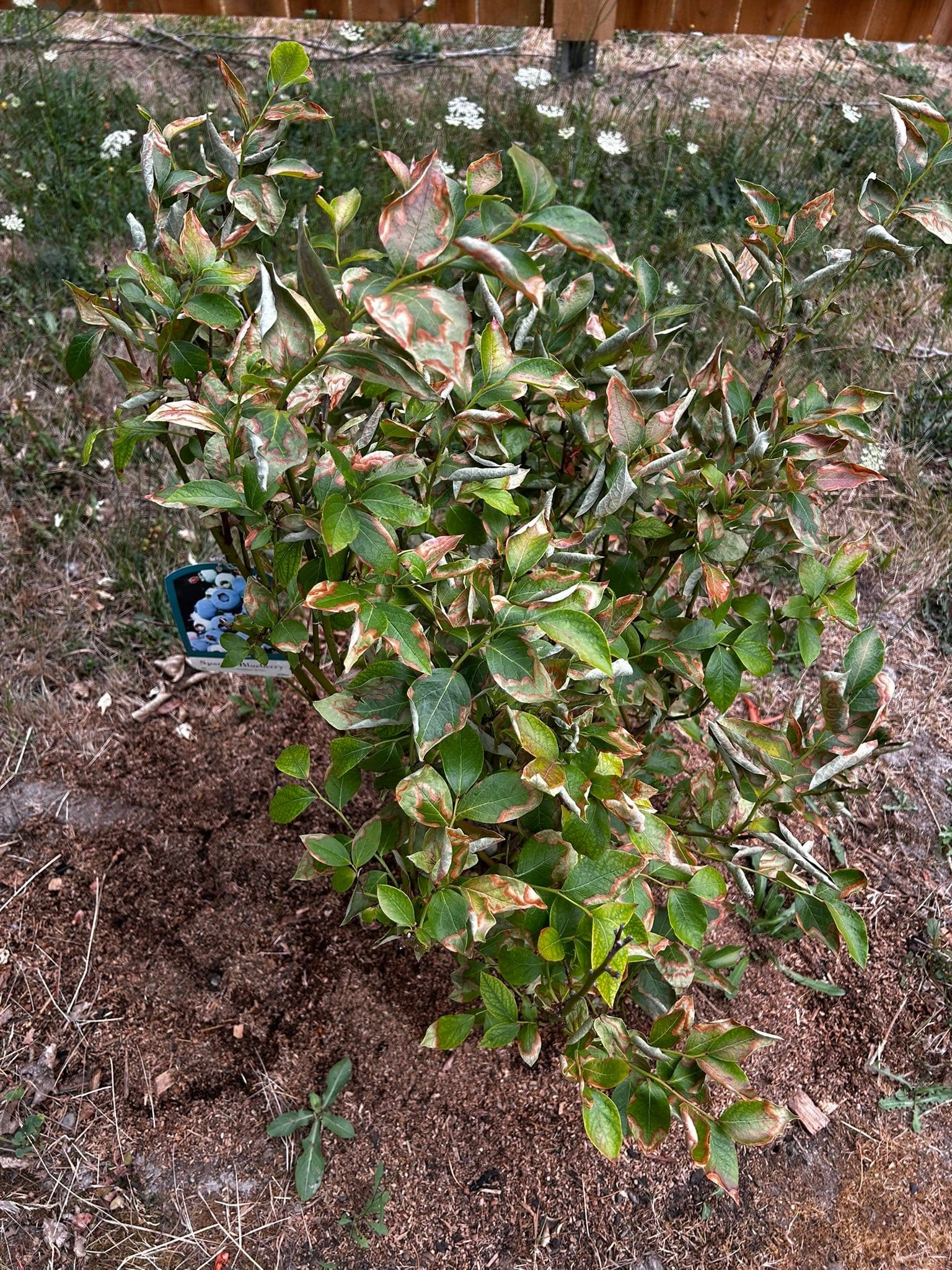
The above picture is a clear sign of iron chlorosis, where the leaves turn yellow, but the veins stay green due to iron deficiency. It is usually caused by high soil pH (alkaline soil), which blocks iron uptake. Spray chelated iron on the leaves for faster recovery, and gradually lower the soil pH with sulfur or organic matter.
Pests That Cause Yellow Leaves on Plants
Sometimes plant leaves turn yellow not just because of watering or fertilizer problems, but also because of small insects that hide on the plant and damage it from the inside.
Common pests: Aphids, spider mites, whiteflies.
These small pests usually hide under the leaves and suck the sap (juice) from the plant, which causes the leaves to lose nutrients and turn yellow. Slowly, the plant becomes weak, growth slows down, leaves may curl, dry, or fall early, and sometimes sticky residue appears on the leaves. They actually weaken the plant by feeding on it.
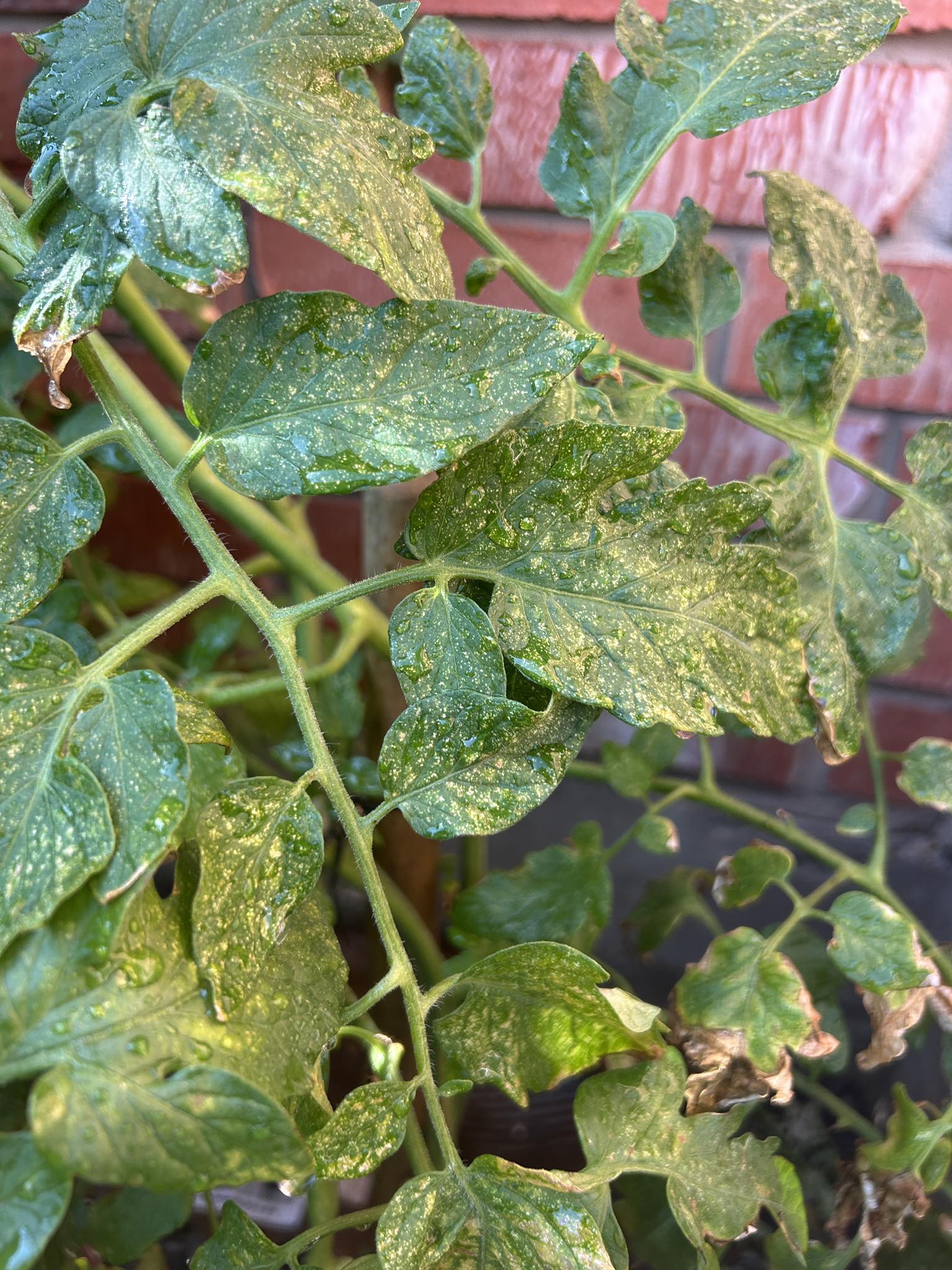
What to do:
- Spray the plant with a strong water jet, especially under the leaves, to wash away pests.
- Mix about 5 ml neem oil in 1 litre water and spray it on the plant in the evening once a week.
- If any leaf is badly damaged or full of pests, cut it off and throw it away (don't compost it) so pests don't spread to other parts of the plant.
I have created a detailed guide on how you can control aphids in your garden. You can check that out from here: How to Get Rid of Aphids in Your Garden.
Fungal or Bacterial Disease
If you see yellow patches with brown or black spots on the leaves, it usually means a fungal or bacterial disease. These spots often start small, then spread and join together, and in most cases, the leaves may dry out and fall off. (In some cases, I witnessed sooty mold on yellow leaves due to the black fungus)
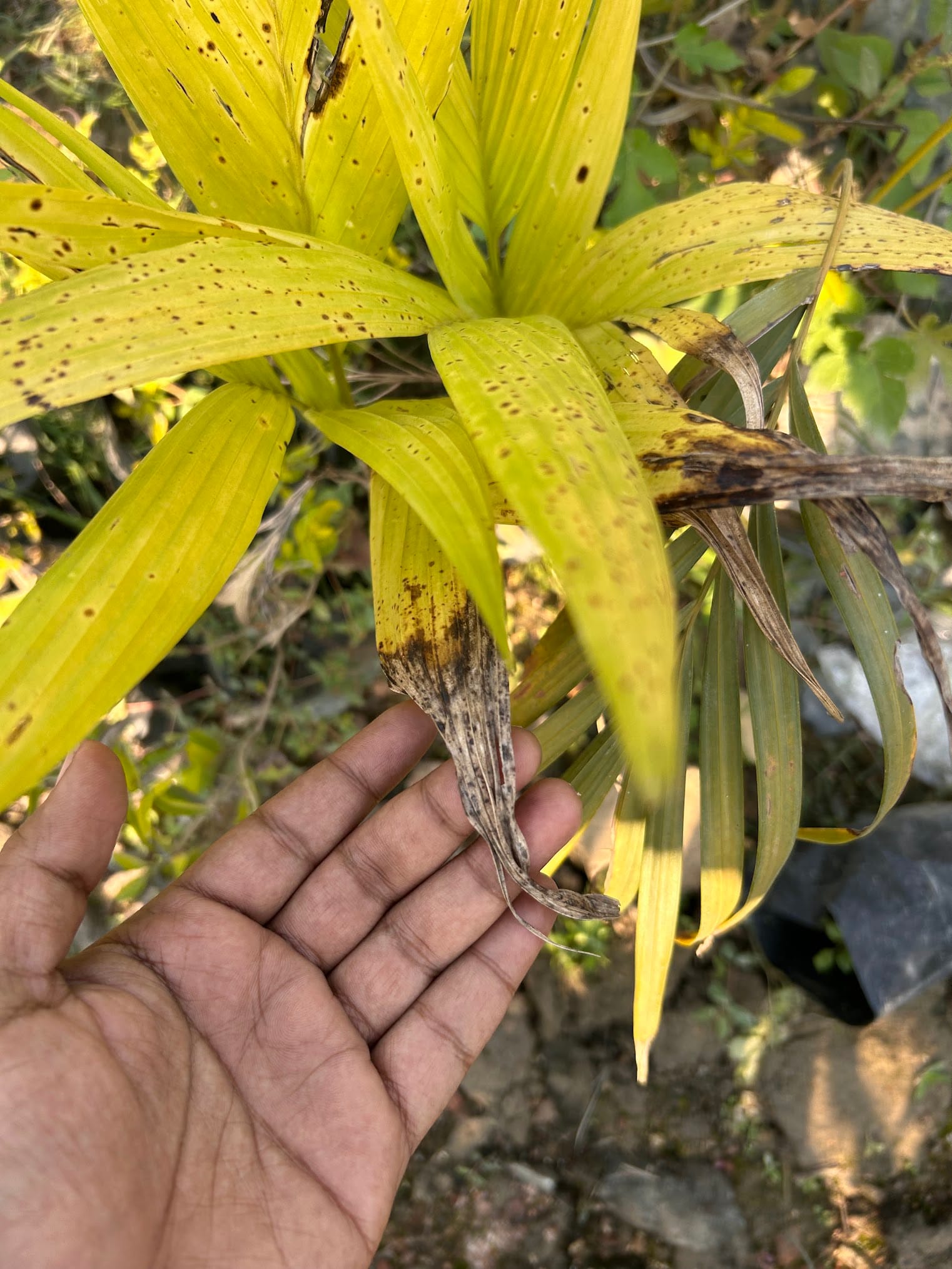
How to cure it:
Remove all infected leaves as soon as you see them and throw them away (don't keep them near the plant). Avoid watering over the leaves; always water the soil directly.
Spray neem oil or a mild fungicide (like copper fungicide, sulfur spray, or baking soda spray) once a week to stop the spread.
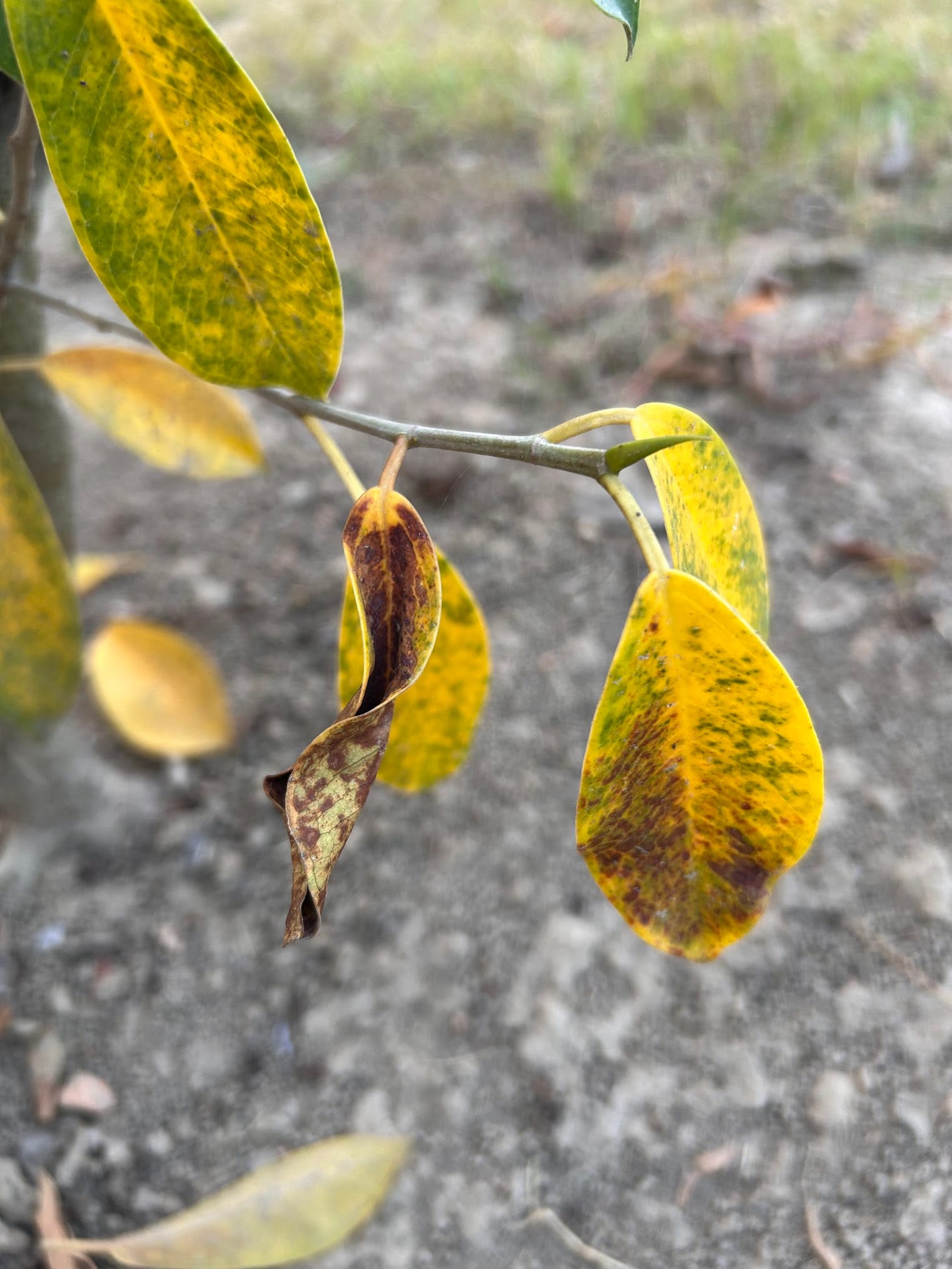
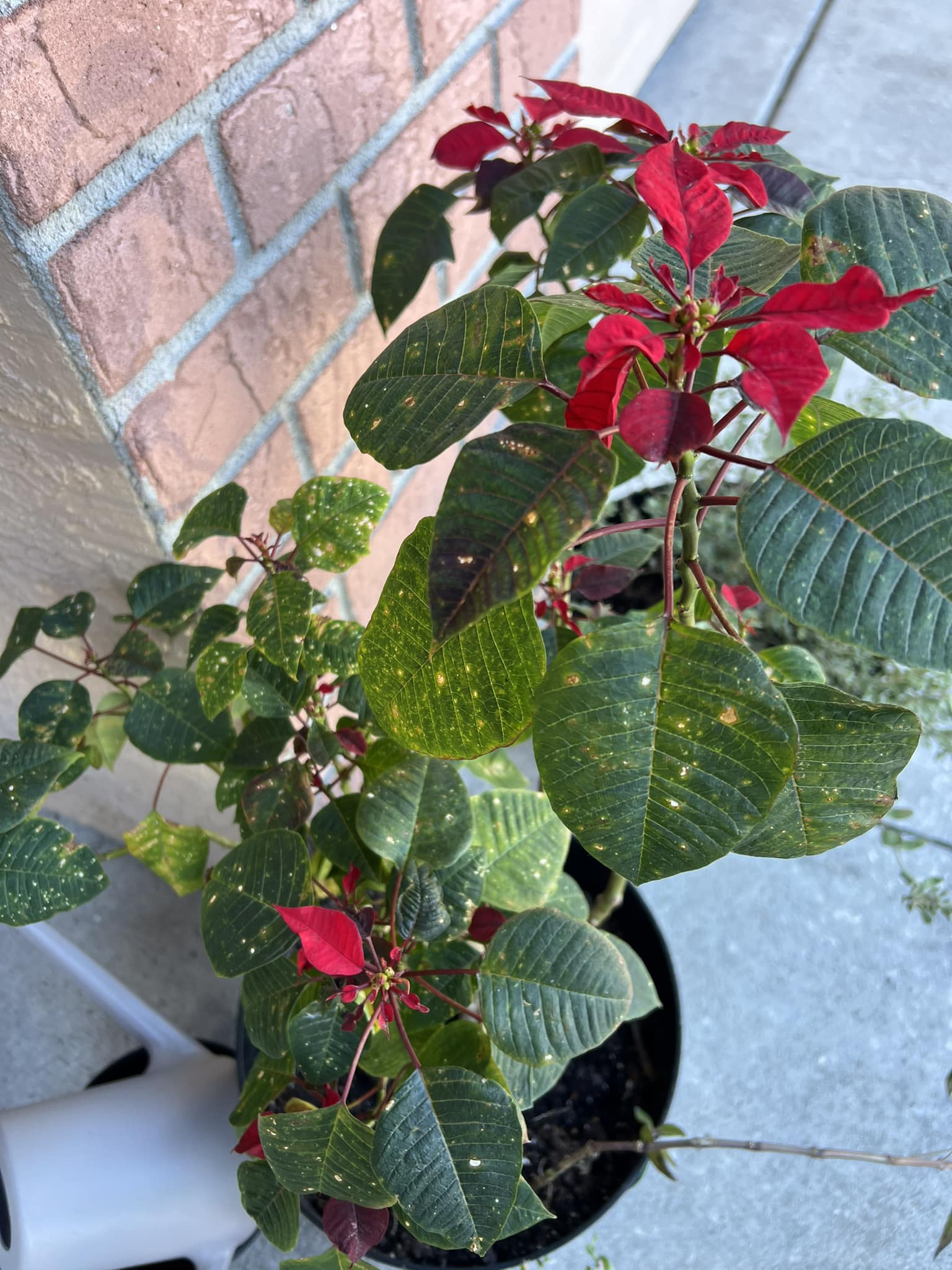
The leaves in this image are turning yellow and developing brown dead patches, which is a common sign of fungal or bacterial disease. As I said earlier, these infections usually start as small yellow or dark spots that slowly spread across the leaf surface. The affected areas later turn brown, dry out, and the leaves may curl or fall off.
Natural Aging of Plant Leaves – It's Normal
As the plant grows, it naturally stops supporting its oldest leaves, so they slowly turn yellow and die.
This usually happens only to the oldest bottom leaves, while the rest of the plant stays healthy and keeps growing normally. The yellowing appears slowly, one leaf at a time, not all at once.
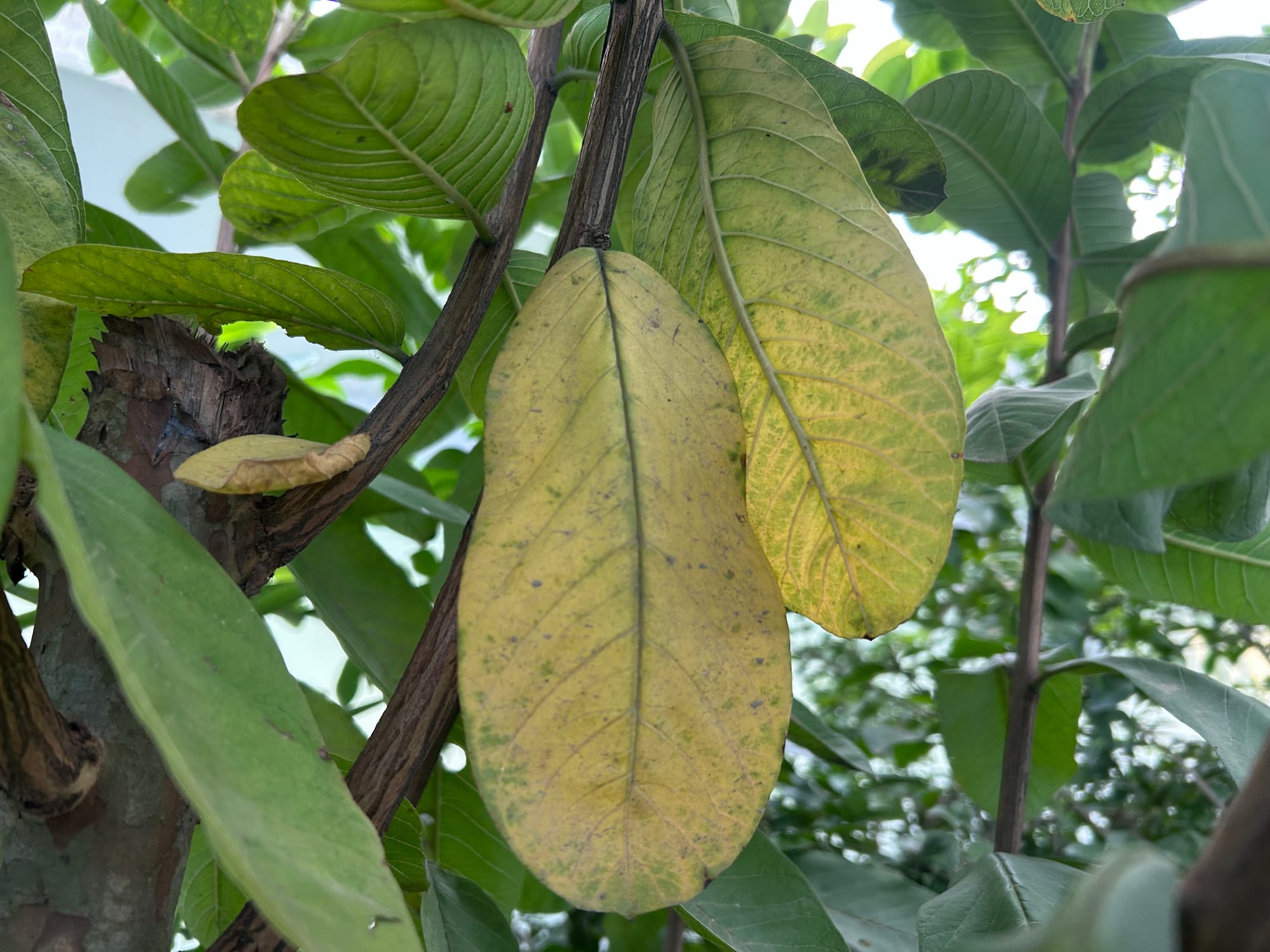
This is completely normal and not a problem if the rest of the plant looks healthy and is growing well.
You don't need any treatment for this; just remove the yellow leaves and continue normal care.
Some Other Reasons For Yellow Leaves
Sometimes, yellow leaves are not caused by watering, sunlight, or nutrient problems at all, and that's when many gardeners get confused.
So, here I will talk about two common problems that every gardener should know about — root-bound plants and mosaic virus. Both of these issues can cause yellow leaves and weak plant growth, but many people fail to recognize them.
Root Bound Plants
One hidden reason behind yellow leaves is a root-bound plant. This problem only happens in potted or container plants when the roots completely fill the pot and start circling around themselves because they no longer have space to grow.
At first, the plant may look fine, but as the roots become too crowded, they struggle to absorb enough water and nutrients. This slowly causes yellow leaves, weak growth, and the plant dries out faster than normal.
Common symptoms: Roots coming out of drainage holes, soil drying too fast, slow growth, yellow leaves, and water draining out too quickly after watering.
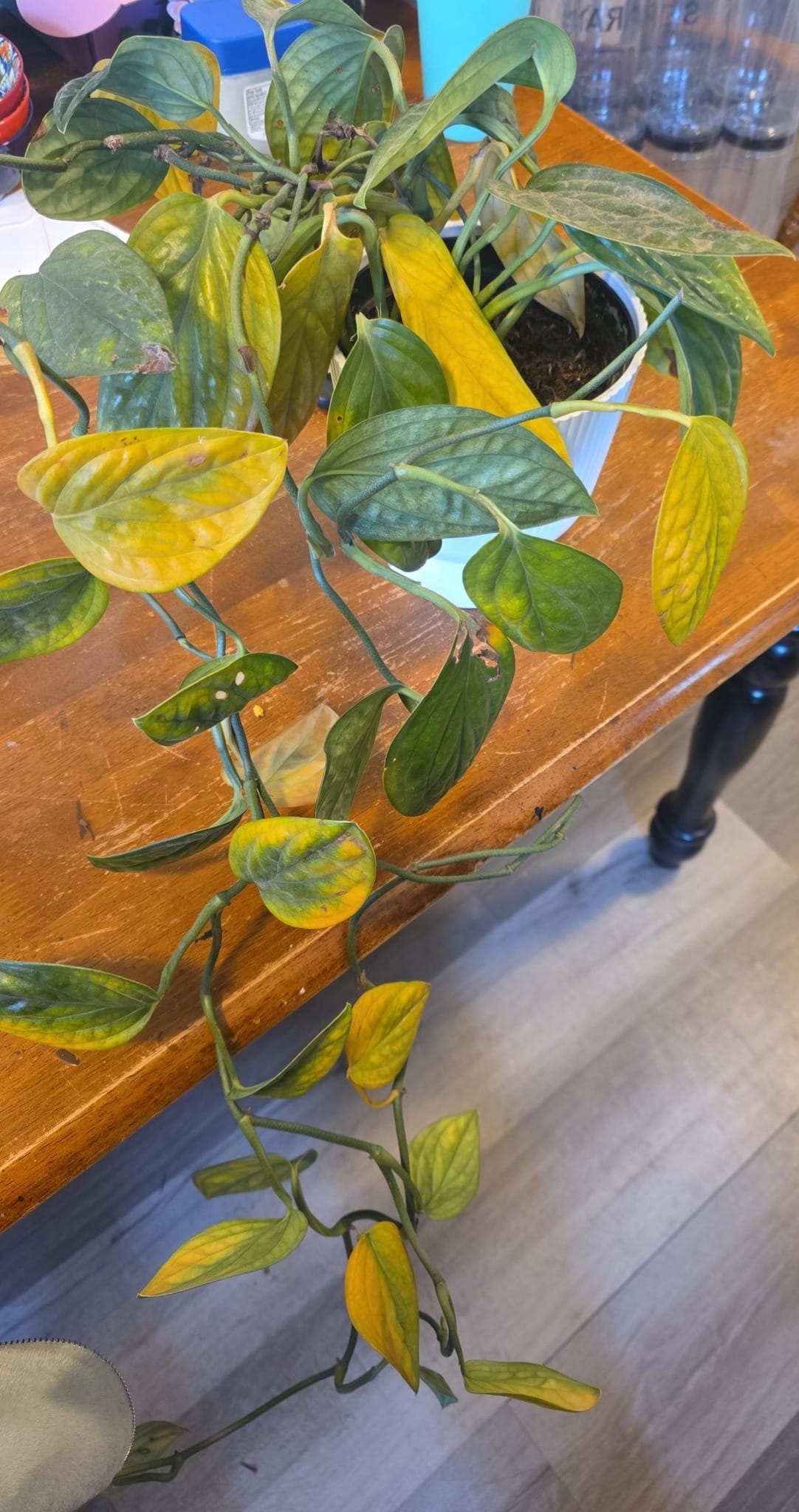
The best solution is to repot the plant into a slightly larger container with fresh soil. While repotting, gently loosen the tangled roots so they can spread properly again. After repotting, with proper watering and enough light, the plant usually starts recovering within a few weeks.
Mosaic Virus
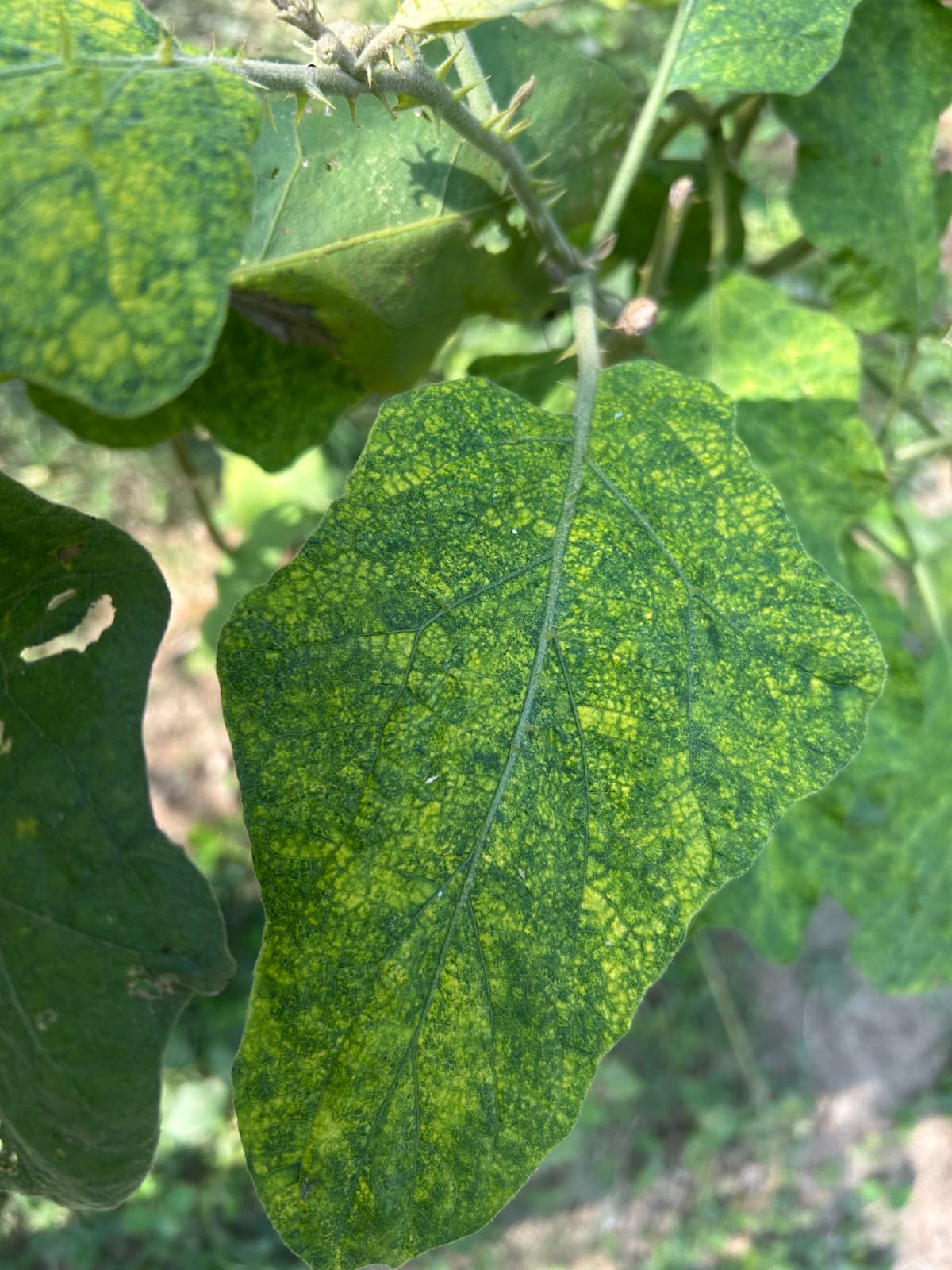
Unlike normal yellowing, mosaic virus creates irregular yellow and green patterns on the leaves, almost like a patchy mosaic design. The leaves may also become distorted, curled, or unusually small.
Just look at the picture below to better understand how mosaic virus affects the leaves.
Unfortunately, there is no complete cure once a plant is infected with the mosaic virus. The best you can do is remove the infected plants as soon as possible so the virus doesn't spread to nearby healthy plants.
Actually, I have personally faced this problem in my eggplant plants and created a detailed guide on Yellow Spots on Eggplant Leaves – Mosaic Virus. You can check it out if you want to learn more about it.
Sometimes your plants show mixed or confusing signs. It means your plant may have more than one problem at the same time, so the symptoms may not match one pattern exactly. For example, too much water can damage the roots, and because of that, the plant may also start showing nutrient deficiency signs. In this case, fix the most likely problem first, then watch the plant for a few days before changing anything else.