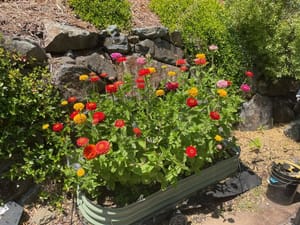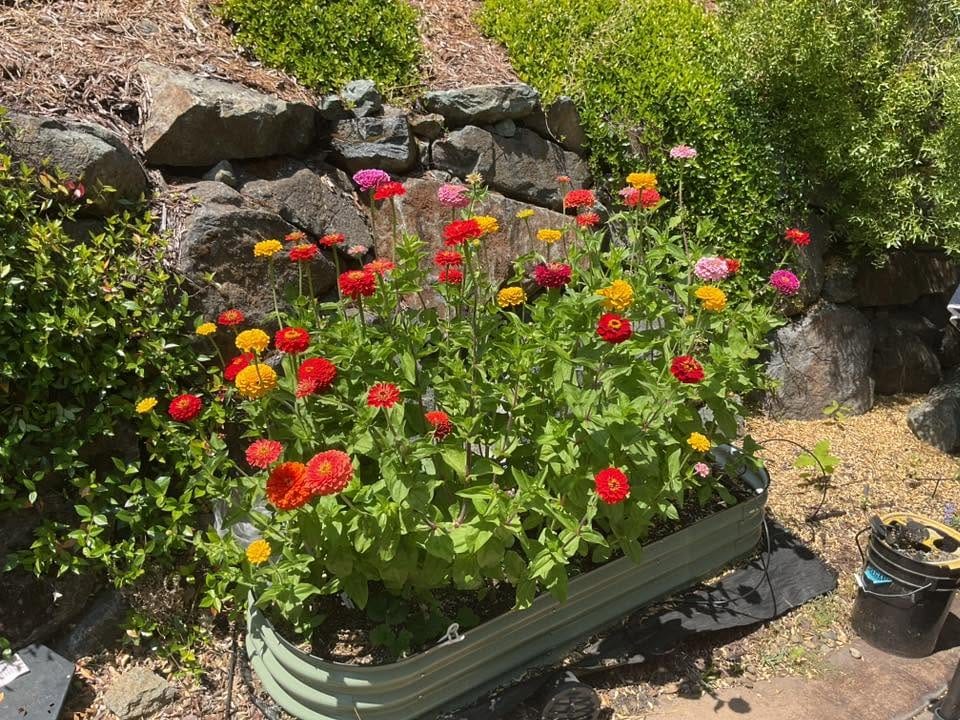
In this article, I will share everything you need to know to grow zinnias in your garden. ( This guide is a collection of my personal experiences. )
Note: I know there are some differences in caring for zinnias depending on the location, USDA hardiness zone, or even the local microclimate, with timing being one of the biggest factors.
I have considered those factors and made this guide in such a way that everyone can follow it.
I am covering these in this guide:
- When to start zinnia seeds based on your location or USDA zone.
- Variety selection.
- Planting methods
- Soil type and sunlight requirement
- Does pinching really work to increase zinnia blooms?
- Watering guide for zinnia
- And a complete care guide for zinnia, along with pest management
I’ll never forget that first summer my backyard was filled with towering, neon-bright blooms. I realized I hadn't babied them at all; in fact, I’d actively ignored them during a two-week heatwave, and they looked better than ever. They truly are the ultimate "lazy gardener's dream."
Just remember, success boils down to planting at the absolute right time for your specific frost dates. Before you push a single seed into the soil, you need to know exactly when to start based on your location.
When to start zinnia
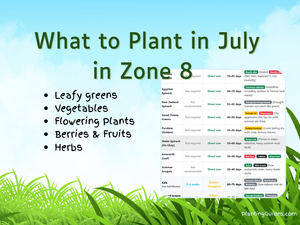
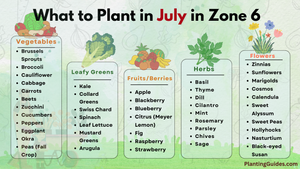
Zinnia seed starting time depends on your location or growing zone.
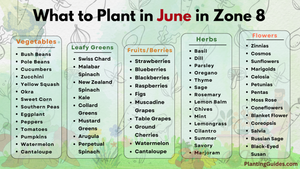
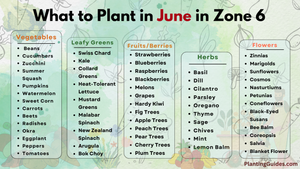
Here is the detailed starting time for zinnia: Zinnia planting schedule
Note: Planting at the wrong time can totally destroy your hard work.
If you do not know your USDA zone, you can find it here by just entering your zip code: https://planthelper.org/find-my-planting-zone
Choosing the Right Variety
Not all zinnias are created equal. If you plant a variety meant for small patio pots directly into a cut flower border, you are going to be disappointed. To get the most bang for your buck in Zones 5-10, match your seed selection to your ultimate garden goals.
| Variety | Best For | Mature Height | Bloom Size | Best in Zone |
|---|---|---|---|---|
| Benary's Giant | Vase bouquets, cut-flower gardens, and tall back-borders | 3–4 feet | 4–5 inches | Zones 5–8 |
| California Giants | Vibrant, fast-growing heirloom displays in hot climates | 3–4 feet | 4–5 inches | Zones 8–10 |
| Queen Lime Series | High-end floral arrangements and modern, trendy garden design | 30–40 inches | 2–3 inches | Zones 5–10 |
| Profusion Series | Pots, balcony containers, window boxes, and front-row bedding | 12–18 inches | 2 inches | Zones 5–7 |
| Zahara Series | Small patio containers and low-maintenance landscape edges | 12–18 inches | 2.5 inches | Zones 9–10 |
Growing and caring guide for zinnia
Growing zinnias isn't complicated, but doing a few key things at the right time will transform your patch from a few spindly stems into an absolute explosion of color. Follow this simple, battle-tested framework to get the absolute most out of your seeds this season.
Direct Sowing vs. Transplanting
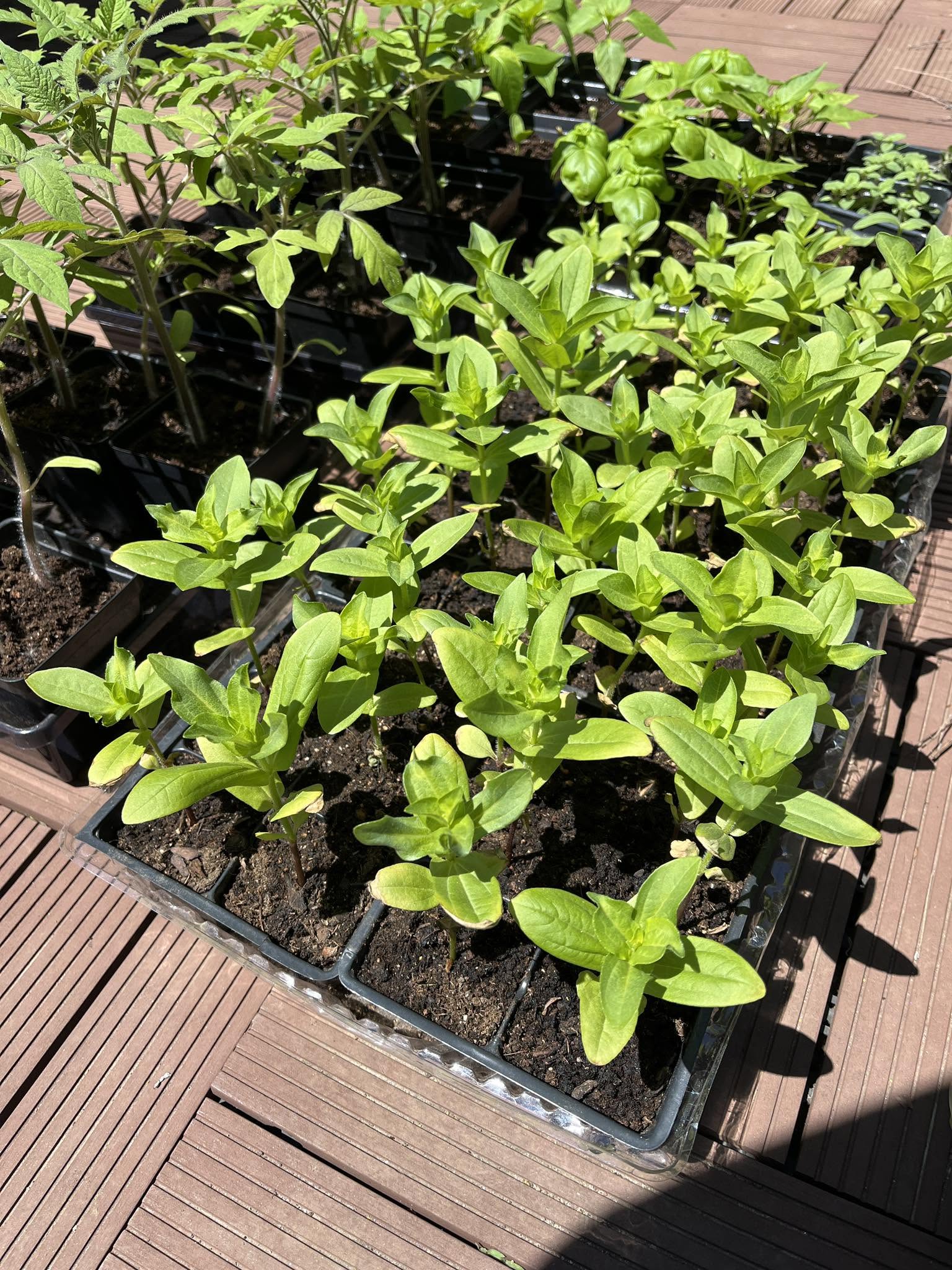
If you visit any garden center in the spring, you’ll see flats of tiny zinnia starts practically begging you to buy them. Don't do it. In my early gardening days, I spent a small fortune buying nursery transplants because I wanted instant gratification. The result? Stunted plants that took weeks to recover from the move, and many eventually just fizzled out.
Here is the honest truth: zinnias absolutely detest having their roots disturbed. When you transplant them, they experience severe shock. Direct sowing your seeds straight into the warm garden soil after your last frost date yields exponentially stronger, faster-growing, and more resilient plants. They catch up to—and easily surpass—any nursery start within a matter of weeks.
Before you fill your trays, make sure to read my Best Soil for Starting Seedlings: A Complete Guide to learn how to mix a light, fluffy substrate that gives delicate flower roots the best possible start.
The Sunlight requirement and Soil type
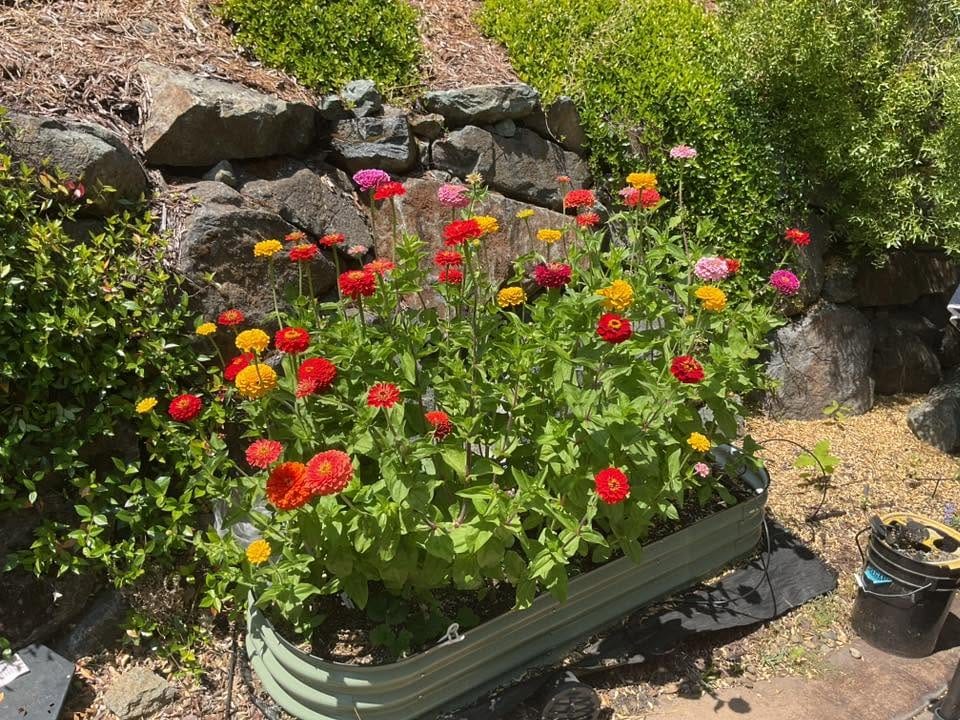
Zinnias are true children of the summer. They do not want partial shade, dappled light, or morning sun only. To thrive, they require a bare minimum of 6 to 8 hours of blistering, direct sunlight every single day. If you plant them in the shade, they will get leggy, weak, and practically invite disease.
When it comes to the dirt beneath them, there is good news: zinnias are incredibly unfussy and aren't picky about soil quality. However, excellent drainage is non-negotiable.
If your dirt holds onto water like a heavy sponge, your zinnias will develop root rot and die before they even get a chance to bloom. If you have heavy clay, amend the area with compost or raised bed mix to keep the water moving.
The 'Pinching' Trick for Bushy Plants
This is the hardest lesson I ever had to learn as a gardener, but it is the ultimate secret to a high-yield patch. When your young zinnia plant is about 8 to 12 inches tall and actively growing, it will look healthy, strong, and might even be forming its very first central flower bud.
Take a deep breath, grab a sharp pair of clean pruners, and snip off the top 3 inches of the central stem, cutting right above a set of leaves.
I know it feels like plant murder. It feels incredibly painful to cut off a perfectly healthy stem. But trust me on this: by removing that dominant central leader, you force the plant to send its energy sideways. It will instantly branch out into multiple new, sturdy stems, effectively doubling or tripling your total flower yield for the rest of the summer.
Watering the Roots, Never the Leaves
If there is one absolute golden rule of growing zinnias, it is this: always water at the base of the plant, never from overhead.
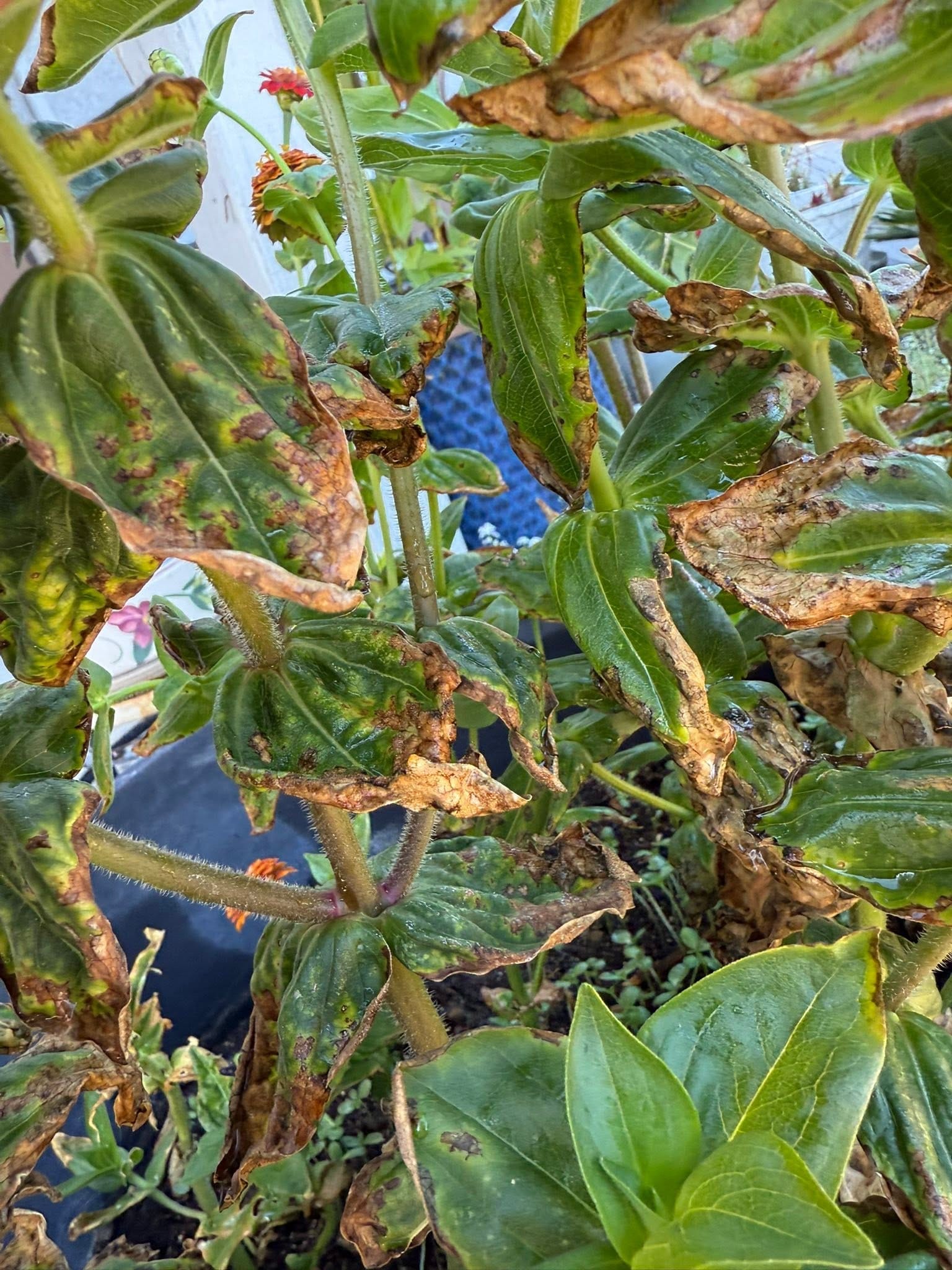
Zinnias are tough, but their leaves have one massive weakness: Powdery Mildew. This fungal disease looks like someone sprayed white flour all over your beautiful green leaves, and it is the number one enemy of late-summer zinnias across Zones 5-10. Fungal spores thrive on wet, stagnant leaves.
To keep your patch pristine, skip the overhead sprinklers. Instead, run a soaker hose along the ground, set up a drip irrigation system, or carefully hold your watering can close to the soil line. By keeping the foliage bone-dry, you drastically extend the life and beauty of your plants deep into autumn.
How to care for zinnia in summer
Mid-to-late summer is when your zinnia patch faces its ultimate test. The intense heat settles in, bugs arrive, and diseases look for any opportunity to strike. Instead of panicking when things look a little rough, use this quick troubleshooting guide to diagnose and fix the most common late-season zinnia struggles instantly.
Powdery Mildew (The White Coating): If your lower leaves look like they’ve been dusted with baking flour, you’re dealing with powdery mildew. This fungus thrives when high humidity meets stagnant air.
The Fix: Immediately prune away infected bottom leaves to increase airflow. Next, hit them with my go-to organic DIY spray: mix 1 tablespoon of baking soda, 1 teaspoon of non-detergent liquid soap, and 1 gallon of water.
Spray this thoroughly on the foliage early in the morning so it dries before the hot sun hits. If the infection is severe, don't wait—grab a reliable bottle of Organic Copper Fungicide to halt it in its tracks.
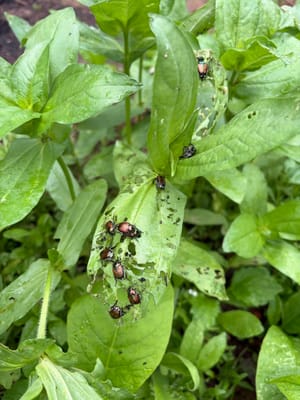
Japanese Beetles & Caterpillars (The Leaf Munchers): If you wake up to find lace-like holes in your leaves or chunks missing from your pristine petals, you have uninvited guests. Japanese beetles love bright colors, and caterpillars will happily turn your patch into a buffet.
The Fix: Skip the harsh chemical pesticides that harm beneficial pollinators. For Japanese beetles, the best method is a morning walk with a bucket of soapy water—simply flick them into the bucket where they can't escape. You can check my Japanese Beetles Guide.
For caterpillars or severe infestations, protect your plants early on with lightweight Garden Mesh Insect Nets, or spot-treat the foliage with organic Neem Oil Spray. You can check my Organic Pest Control Guide.
The Mid-Summer Slump (Zone-Specific Heat Survival): If you are growing in Zones 9 or 10, July and August can bring relentless, scorching temperatures that cause even heat-loving zinnias to stall out, drop their leaves, or produce smaller blooms.
The Fix: Give your plants a structural safety net. Lay down a 2-to-3-inch layer of clean straw or shredded wood mulch around the base of the plants to insulate the soil and lock in moisture. You can also check my Mulching Guide.
If you are planting a fresh late-summer batch, position them where they get full morning sun but receive a bit of dappled afternoon shade to protect them from the most brutal rays of the day.
Never harvest a zinnia when the head is soft and wiggly, or it will wilt instantly in the vase. Grab the stem about 8 inches below the flower and gently shake it. If the stem is rigid and the flower head stays completely stiff, it is mature, ready for the vase, and will last up to 7–10 days!
Frequently Asked Questions About Growing Zinnias
Q: Do zinnias come back every year in Zones 5-10? A: No. Zinnias are true annuals, meaning they complete their entire life cycle in a single growing season. However, they are excellent self-seeders! If you leave a few spent flower heads on the stalks at the end of autumn, they will drop seeds that naturally sprout next spring.
Q: How long does it take for zinnias to bloom from seed? A: Zinnias are incredibly fast growers. Depending on the variety and your local soil temperatures, you can expect to see your very first vibrant blooms just 60 to 75 days after planting the seeds directly into the ground.
Q: Can you grow zinnias in pots? A: Absolutely! If you want to grow them in containers or window boxes, skip the massive dahlia-flowered types and choose compact, dwarf varieties like the Profusion Series or Zahara Series. Just ensure your container has excellent drainage holes at the bottom.